
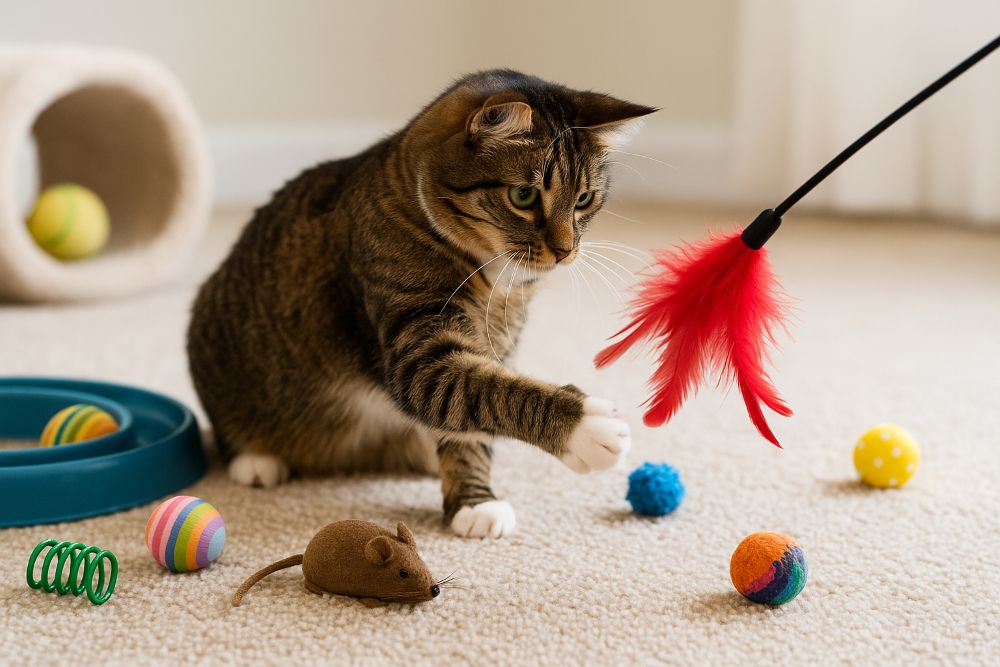
When pet brands, wholesalers, and retailers look for long-term growth opportunities, they often overlook how strongly bulk cat toys and training influence feline behavior, customer satisfaction, and product repurchase frequency. Modern cat owners increasingly expect toys that do more than offer momentary fun—they want items that support physical exercise, reduce stress, enhance confidence, and reinforce human-pet bonds through structured training. As a result, the combination of bulk cat toys and training has become a strategic product direction rather than a simple low-cost sourcing category.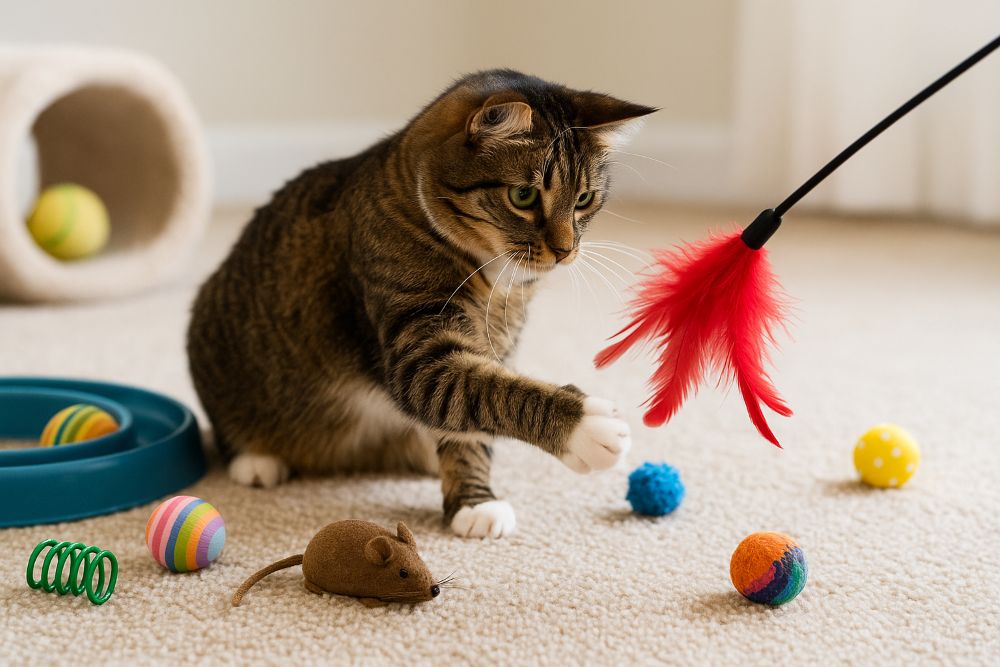
Cats are natural learners. They respond instinctively to movement, predictable patterns, problem-solving tasks, and reward-based interactions. This is exactly why bulk cat toys and training can transform an ordinary play session into a behavioral development tool. When cats engage with stimulating toys—whether feather teasers, felt bugs, crinkle tunnels, puzzle feeders, or spring wands—they activate their hunting instincts in a safe and controlled environment. This reduces destructive habits, encourages exercise for overweight cats, and provides mental enrichment for indoor cats with limited sensory experiences.
From a business perspective, combining bulk cat toys and training also gives brands stronger storytelling and differentiation. Instead of only selling low-cost toys, brands can position themselves as “feline behavior partners,” offering structured solutions: play routines, training steps, toy rotation systems, enrichment calendars, and advice on how to build confidence in shy or newly adopted cats. This elevates product value, supports premium pricing even for wholesale orders, and creates clear purchase motivations for pet owners who want results rather than random toy selections.
In the sourcing and merchandising process, bulk cat toys and training also allow retailers to create themed bundles that increase average order value. A store can offer “Beginner Training Starter Kits,” “High-Energy Cat Toy Bundles,” “Quiet Nighttime Training Sets,” or “Confidence-Building Toy Packs” that combine feathers, interactive wands, treat-dispensing puzzles, soft plush toys, and self-play mechanisms. These curated sets strengthen brand identity while solving real pet-owner problems in a structured way. Customers perceive these kits as professional and thoughtful rather than generic.
Training routines are especially powerful when paired with the right toys. For example, wand toys encourage cats to chase predictable patterns, improving reflexes and coordination. Puzzle toys stimulate problem-solving, helping reduce anxiety and boredom. Soft plush toys are perfect for encouraging gentle “kick and wrestle” behaviors, which redirect cats away from biting human hands. Even lightweight felt toys, when used in repeated sessions, support confidence building in timid cats who need time to explore without overwhelming stimuli. This synergy illustrates why bulk cat toys and training should always be marketed together rather than separately.
In addition to behavioral benefits, enrichment toys significantly support weight control—one of the most common health challenges among indoor cats. Structured routines using bulk cat toys and training encourage daily movement without stressing the cat or the owner. When pet owners follow consistent play durations (for example, ten-minute sessions twice a day), they report visible improvements in agility, mood, grooming, and sleep quality. Retailers and manufacturers who educate buyers about these benefits often see stronger long-term customer loyalty.
Even professional trainers and veterinarians increasingly recommend structured toy-based training as a replacement for outdated beliefs that cats “cannot be trained.” In reality, cats learn quickly when toys provide clear rewards and predictable movement sequences. When sellers highlight how bulk cat toys and training support clicker training, target training, leash introduction, or socialization programs, pet owners become more confident—and more willing—to invest in larger toy sets.
From a production standpoint, designing toys that complement training routines requires attention to durability, texture variety, weight balance, and replaceable components. Feathers should move naturally, felt components must withstand repeated claw engagement, and wand rods must remain flexible without breaking. This explains why factories offering bulk cat toys and training solutions increasingly emphasize material selection: polyester fiber, EVA, natural feathers, cotton ropes, and soft plush fillings. Product safety, especially dye safety and non-toxic adhesives, is equally important because training toys undergo heavy interaction.
For international wholesalers, offering educational content is just as important as offering products. Tutorials, printable training guides, QR codes linking to enrichment videos, and step-by-step toy rotation calendars increase customer retention. When buyers understand how to train their cats using the toys, they no longer view the purchase as a random impulse but as part of a structured lifestyle routine. This is one of the strongest upselling strategies tied to bulk cat toys and training.
As global demand continues to rise, brands that combine functional design, behavioral science, and practical guidance will outperform competitors who simply resell low-cost toys. Whether selling on Amazon, Temu, TikTok Shop, Shopify, or wholesale marketplaces, the brands that win are those who connect products to outcomes: happier cats, reduced stress, increased activity, and stronger bonds between owners and pets.
Tel: Phone / WhatsApp: +86 13718368168
Email: Email: info@fukapets.com

 KR
KR JP
JP EN
EN