
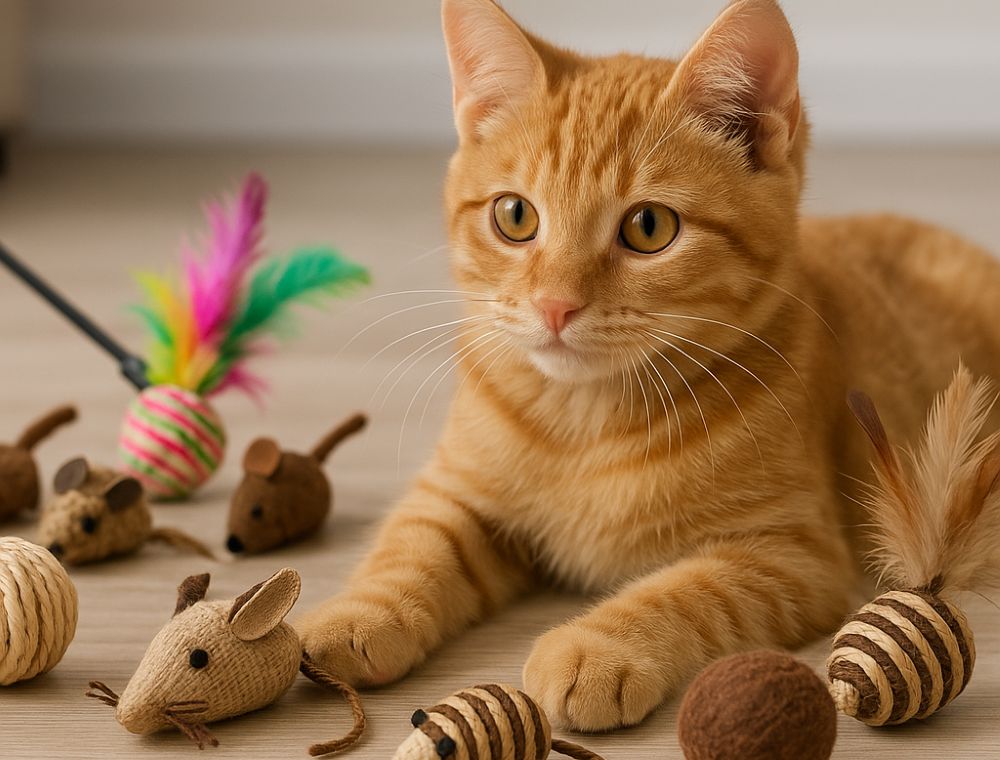
As pet owners become increasingly conscious of product safety, the demand for bulk cat toys safe materials has grown rapidly across global markets. Modern consumers expect toys to be more than entertaining—they must be made from non-toxic, eco-friendly, and veterinarian-approved components that protect their pets’ health. This shift in expectations is reshaping the manufacturing standards for wholesalers, retailers, subscription box companies, and private-label pet brands.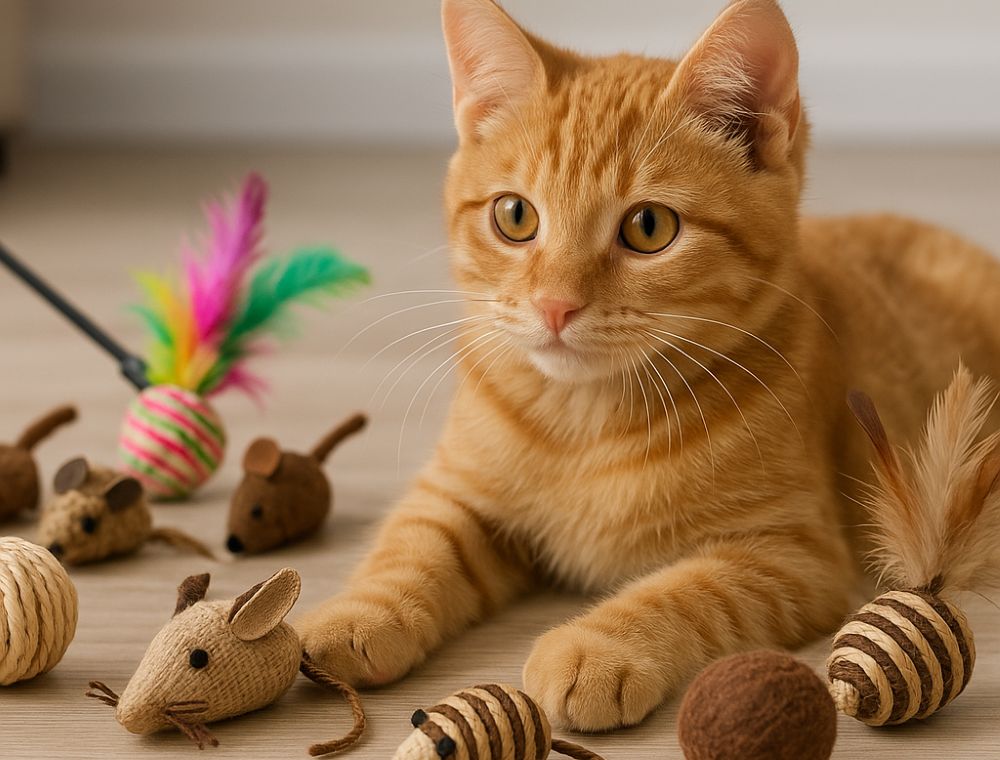
For businesses purchasing toys in bulk, one of the biggest priorities is ensuring that all products are crafted using bulk cat toys safe materials that meet international testing requirements. Leading factories now avoid harmful chemicals such as BPA, phthalates, formaldehyde, and toxic dyes. Instead, they use safe alternatives like natural feathers, cotton rope, sisal fiber, felt wool, untreated wood, food-grade plastics, and high-quality polyester fillers. These materials minimize health risks while providing durability and engaging textures that cats instinctively enjoy.
Many brands now require suppliers to provide certification documents to verify the use of bulk cat toys safe materials. Common testing standards include EN71 for Europe, ASTM F963 for the United States, REACH chemical compliance, and CPSIA regulations for children’s product safety. Although cat toys are not always legally classified as children’s products, many sellers choose to follow these stricter standards to reassure buyers that every item is safe enough for daily use. Manufacturers who consistently meet these certifications gain strong advantages in the global supply chain.
The rise of eco-friendly pet ownership is also boosting demand for natural and biodegradable materials. Sustainable sourcing—such as using unbleached cotton, woven rattan, pesticide-free plant fibers, and wool from ethical farms—has become a key selling point. Brands that package their toys using recycled paper trays or biodegradable kraft bags strengthen their image and appeal to environmentally conscious customers. These sustainable solutions show that bulk cat toys safe materials can support both pet health and environmental responsibility.
Another benefit of high-quality safe materials is improved durability. Safe materials are not only less toxic—they also resist tearing, fraying, and shedding better than low-quality fabrics. When toys last longer, customers feel they are receiving better value, which improves brand reputation and reduces negative reviews. For wholesale buyers, long-lasting materials help minimize product returns and increase repeat orders. Cats also benefit from more stable construction, as durable toys reduce choking hazards and accidental ingestion of loose fibers.
Manufacturers using safe materials also tend to have stronger quality-control systems. Factories monitor processes like stitching density, feather disinfection, dye stability, and glue alternatives to ensure toys remain safe throughout their lifespan. Many factories now use heat-press technology instead of chemical adhesives to reduce exposure to toxic substances. This aligns with the increasing demand for bulk cat toys safe materials that prioritize animal welfare.
Customization has also expanded within the safe-materials trend. Private-label brands can order toys made with hypoallergenic fillers, plant-based color dyes, natural sisal scratch components, and organic catnip. These safe alternates allow retailers to create themed assortments such as “eco play sets,” “organic catnip bundles,” or “all-natural teaser packs,” further enhancing brand identity. Packaging can also highlight these features to communicate product safety clearly to buyers.
Online shoppers now pay close attention to material descriptions before clicking “buy.” Clear labeling—such as “natural feather,” “safe dye,” “non-toxic rope,” or “BPA-free plastic”—directly influences purchasing decisions. Clear communication about bulk cat toys safe materials boosts customer trust and improves conversion rates. Many successful brands feature material certifications in their product photos, infographics, or A+ content to reassure shoppers, especially parents who also purchase toys for households with both kids and pets.
Ultimately, bulk cat toys safe materials represent more than a trend—they are becoming an industry standard. Brands that prioritize safe components demonstrate responsibility and professionalism, which strengthens their global competitiveness. Consumers increasingly reward businesses that value safety by choosing them over generic, unverified suppliers. Safe materials also help protect cats from digestive issues, skin irritation, and allergic reactions, improving long-term pet well-being.
In conclusion, choosing toys made from bulk cat toys safe materials is essential for any business offering products to modern pet owners. Safe materials support healthier play, elevate brand credibility, reduce manufacturing risks, and enhance customer satisfaction. Investing in high-quality, certified, non-toxic materials not only benefits cats—it builds a stronger, safer, and more sustainable future for the global pet toy industry.
Tel: Phone / WhatsApp: +86 13718368168
Email: Email: info@fukapets.com

 KR
KR JP
JP EN
EN