
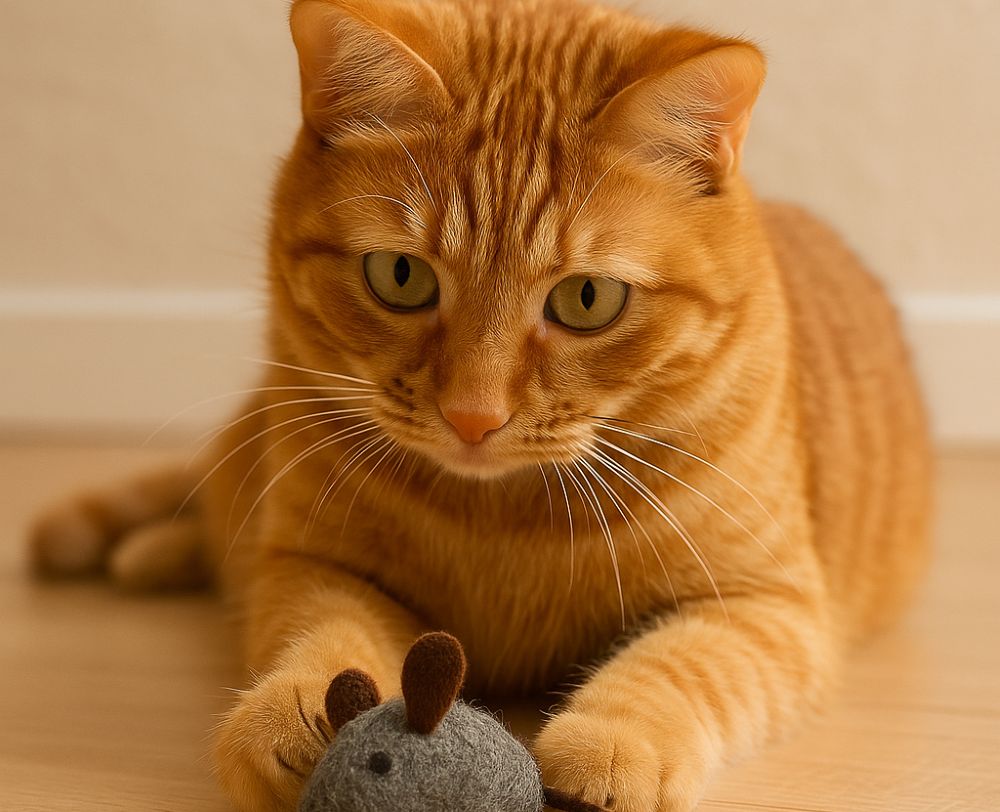
As the global pet industry continues to mature, more brands are shifting away from generic products and toward unique, value-driven offerings. One of the fastest-growing opportunities in this space is private label felt toys, especially within the cat toy segment. Felt toys combine natural materials, tactile appeal, and long-lasting durability, making them an ideal foundation for brands seeking differentiation, sustainability, and strong customer loyalty.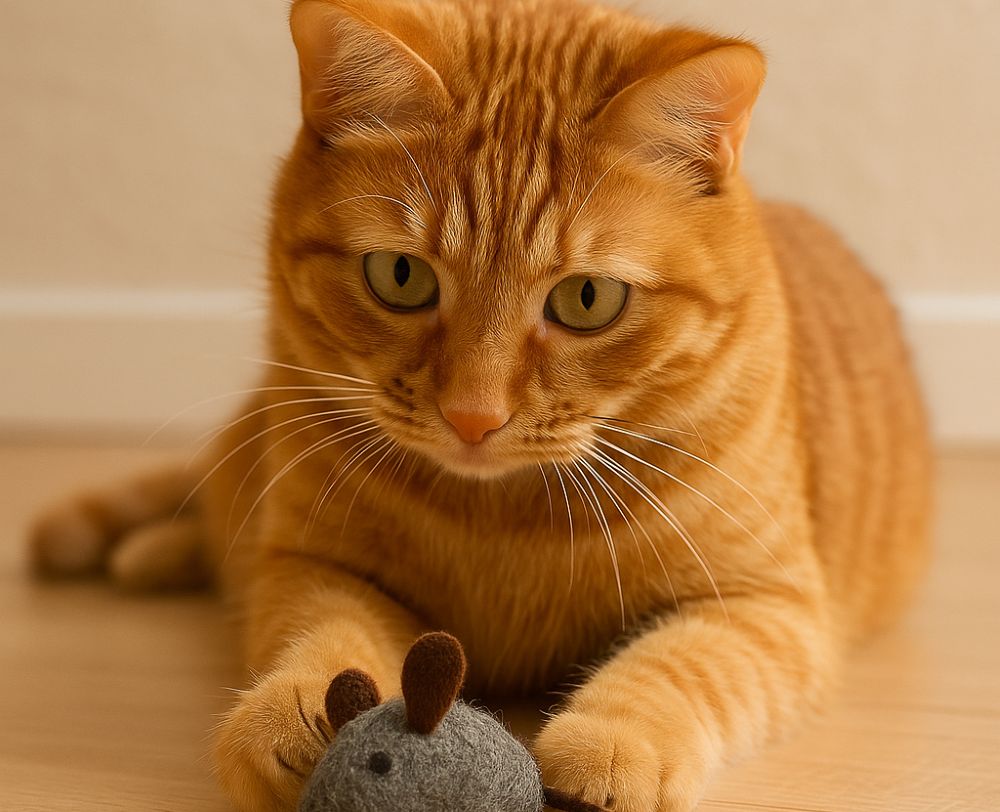
At its core, private label felt toys refer to felt-based pet toys manufactured by suppliers but branded, packaged, and marketed under a retailer’s or brand owner’s name. This model allows businesses to control brand identity, pricing strategy, and product positioning without investing in their own factories. For startups and established pet brands alike, private labeling offers flexibility and scalability.
Felt is particularly well-suited for pet toys because of its texture and composition. High-quality wool felt provides a soft yet resilient surface that cats love to bite, bat, and claw. This makes private label felt toys especially attractive for feline enrichment, as the material closely mimics the resistance of natural prey. Cats engage with felt toys for longer periods, which directly improves perceived product value.
Another major advantage of private label felt toys is their alignment with eco-conscious consumer trends. Many felt toys are made from natural wool or blended fibers that are biodegradable and renewable. As more pet owners seek sustainable alternatives to plastic toys, felt products offer a compelling solution. Brands that highlight eco-friendly sourcing and low-impact materials often gain stronger trust and premium positioning.
Customization is a defining strength of private label felt toys. Manufacturers can tailor shapes, colors, sizes, and stitching styles to match a brand’s visual identity. Popular designs include felt balls, mice, insects, fish, and abstract shapes optimized for independent play. Some private label felt toys also incorporate catnip or silvervine, enhancing sensory appeal and repeat engagement.
From a safety perspective, private label felt toys perform well when produced responsibly. Felt toys typically contain fewer hard components, reducing the risk of injury during play. Reputable suppliers use non-toxic dyes and reinforced stitching, ensuring toys can withstand chewing and kicking without falling apart. This reliability is essential for maintaining brand reputation and minimizing returns.
In terms of play behavior, private label felt toys are highly versatile. They support independent play, interactive sessions, and enrichment routines. Felt toys are often quiet, making them suitable for nighttime use and apartment living. This low-noise characteristic adds another layer of value for modern pet households, where calm environments are prioritized.
For businesses, private label felt toys offer strong margins and repeat-purchase potential. Felt toys are lightweight and easy to ship, reducing logistics costs. They also work well in bundles, gift sets, and subscription boxes. Many brands successfully combine felt toys with other enrichment items to create themed collections, increasing average order value.
Brand storytelling is another area where private label felt toys shine. Felt products naturally lend themselves to narratives around craftsmanship, natural materials, and thoughtful design. Brands can emphasize hand-finished details, minimalist aesthetics, or traditional felting techniques to create emotional connections with customers. This storytelling aspect is especially powerful in e-commerce and social media marketing.
As competition in the pet market intensifies, differentiation becomes critical. Private label felt toys allow brands to move beyond price-based competition and focus instead on quality, design, and values. Customers are more likely to remember and repurchase from brands that offer distinctive products with a clear identity and purpose.
From a long-term growth perspective, private label felt toys support brand scalability. Once a core felt toy line is established, brands can expand into seasonal designs, limited editions, or co-branded collaborations. This flexibility enables continuous innovation without major changes to the supply chain.
Ultimately, private label felt toys represent a strategic opportunity for pet brands looking to combine sustainability, customization, and strong market appeal. By choosing reliable manufacturing partners and investing in thoughtful design, businesses can create felt toy collections that resonate with modern consumers and stand out in a crowded marketplace.
As pet owners increasingly value enrichment, safety, and eco-conscious choices, felt toys are well-positioned for continued growth. For brands seeking long-term relevance and customer trust, private label felt toys are not just a product option—they are a brand-building asset.
Tel: Phone / WhatsApp: +86 13718368168
Email: Email: info@fukapets.com

 KR
KR JP
JP EN
EN