
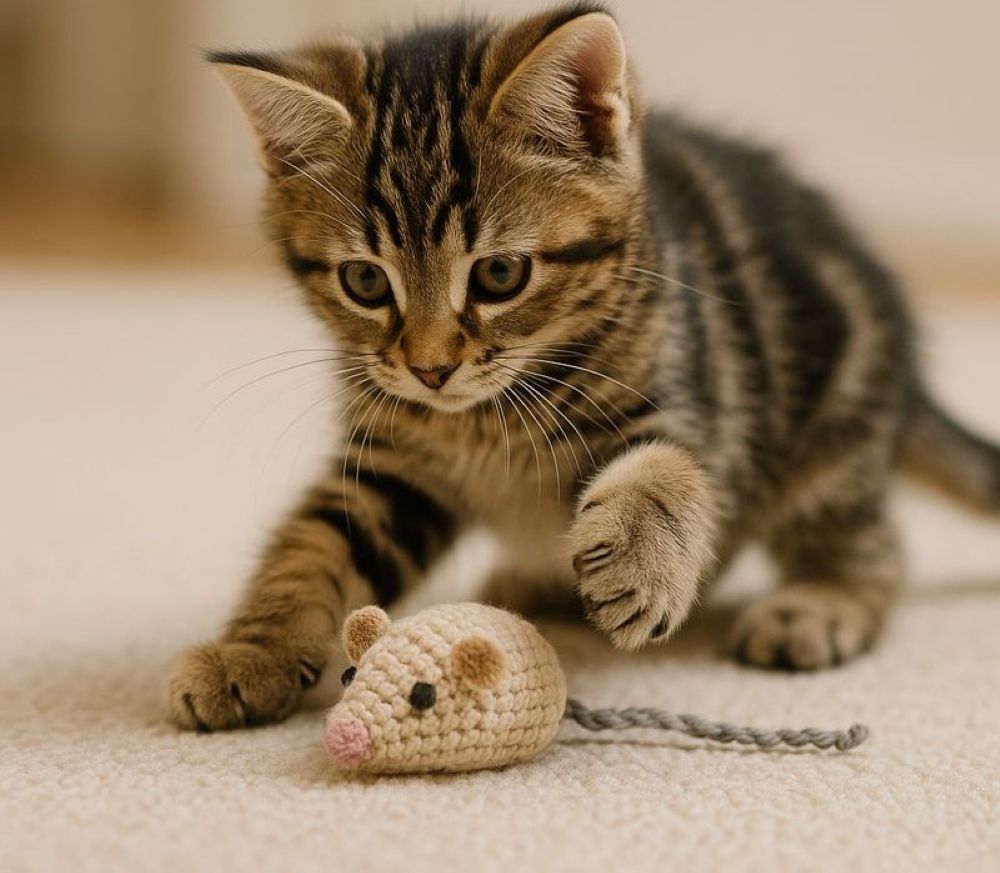
Kittens are naturally curious, energetic, and eager to explore the world around them. Their rapid development means they require constant stimulation—physically, mentally, and emotionally. When pet owners are at work, sleeping, or simply too busy to provide frequent interactive play, having the right toys for kittens to play by themselves becomes essential. These toys support healthy growth, prevent unwanted behaviors, and encourage positive exploration during the most formative stage of a cat’s life.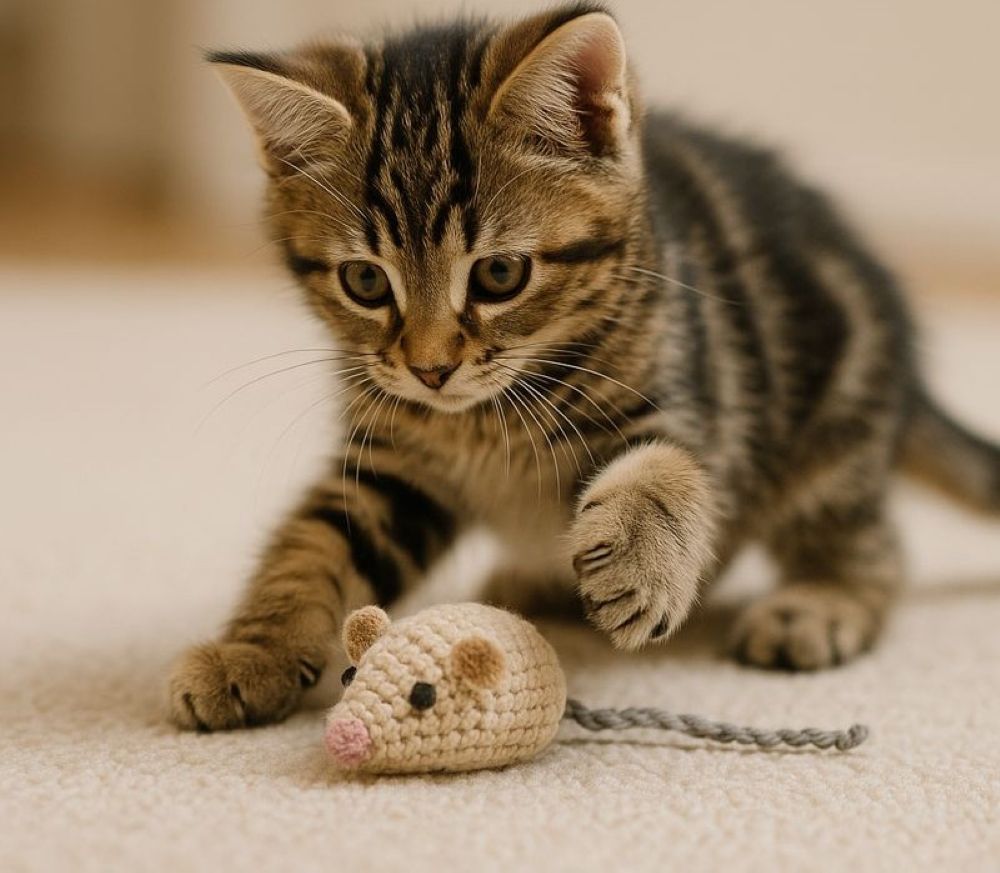
The greatest benefit of providing toys for kittens to play by themselves is that they give young cats safe outlets for instinctive behaviors. Kittens learn through play: they practice chasing, pouncing, wrestling, and problem-solving. Without appropriate toys, this energy may be directed toward furniture, curtains, or human hands—leading to behavioral problems later. Self-play toys channel this natural drive into structured, healthy activity.
Motion-based toys are among the most effective for independent kitten enrichment. Rolling balls, wobbling toys, and track toys capture a kitten’s attention instantly. These toys move unpredictably, mimicking prey behavior and triggering the kitten’s hunting instincts. Because they require minimal effort from the owner, they are ideal toys for kittens to play by themselves. Lightweight designs also allow smaller kittens to push and chase the toys easily.
Scented toys provide another powerful form of enrichment. Although very young kittens may not fully respond to catnip, many begin to enjoy it as they grow. Catnip-stuffed plush toys, silvervine wool balls, or refillable felt toys can inspire enthusiastic kicking, rolling, and rubbing. These sensory experiences enhance independent play and make scented toys excellent toys for kittens to play by themselves, especially for kittens that enjoy tactile and aromatic stimulation.
Interactive puzzle toys introduce mental challenges essential for early cognitive development. Simple puzzles that hide small treats or require kittens to move parts with their paws encourage focus, coordination, and problem-solving. Puzzle feeders also promote slow, mindful eating. For growing kittens, mental stimulation is just as important as physical play, making puzzle toys valuable toys for kittens to play by themselves that help build confidence and patience.
Self-play kicker toys—long, plush toys designed for wrestling—allow kittens to practice bunny kicking, a natural hunting behavior. These toys help burn off high energy and provide safe opportunities for rough play. Kittens that engage with kicker toys learn proper boundaries and are less likely to bite or scratch their owners. Their ease of use makes them reliable toys for kittens to play by themselves, even for very young or timid kittens.
Noise-based toys, such as crinkle balls or rattling toys, stimulate auditory curiosity. However, they should be chosen carefully: lightweight, kitten-safe materials are essential to prevent accidental swallowing or injury. When selected properly, sound-based toys can be extremely exciting toys for kittens to play by themselves, encouraging exploratory behavior.
Silent toys also play an important role, especially for nighttime enrichment. Many kittens are most active after dark, so offering soft felt balls, fabric rollers, or plush toys allows them to play without disturbing the household. Quiet items help build healthy routines and reduce nighttime chaos, placing them among the best toys for kittens to play by themselves for busy families and apartment homes.
Durability and safety are crucial factors when choosing self-play toys. Kittens chew, claw, and wrestle with surprising force. High-quality toys for kittens to play by themselves use reinforced stitching, non-toxic fabrics, and securely attached components. Avoid toys with loose strings or small detachable parts, as these pose choking risks. Safe materials ensure long-term use and peace of mind for pet owners.
Variety is another key to keeping kittens mentally stimulated. Different textures, movements, sounds, and shapes appeal to different instincts. A well-rounded set of toys for kittens to play by themselves should include:
Motion toys
Soft plush toys
Kickers
Puzzle feeders
Felt or wool balls
Scented toys
Rotating toys weekly prevents boredom and keeps kittens engaged with the environment.
From a behavioral standpoint, self-play toys reduce stress and help kittens develop independence. Kittens who learn to entertain themselves grow into more confident adult cats. They are less prone to separation anxiety and more adaptable to new environments.
Ultimately, providing the right selection of toys for kittens to play by themselves is one of the most impactful things an owner can do for a young cat’s long-term health and happiness. These toys encourage natural instincts, support developmental milestones, promote exercise, and ensure mental stimulation—all fundamental elements of a thriving indoor kitten.
Tel: Phone / WhatsApp: +86 13718368168
Email: Email: info@fukapets.com

 KR
KR JP
JP EN
EN