
As the pace of modern life accelerates, many pet owners spend long hours outside the home, leaving their pets alone for extended periods. This has led to a growing demand for high-quality toys for lonely cats, designed not only for entertainment but also for emotional comfort, behavioral balance, and mental stimulation. Loneliness can affect cats more deeply than many people realize. While independent by nature, cats still rely on environmental engagement to stay confident, secure, and active. The right toys play a crucial role in shaping a healthy indoor life for any cat experiencing solitude.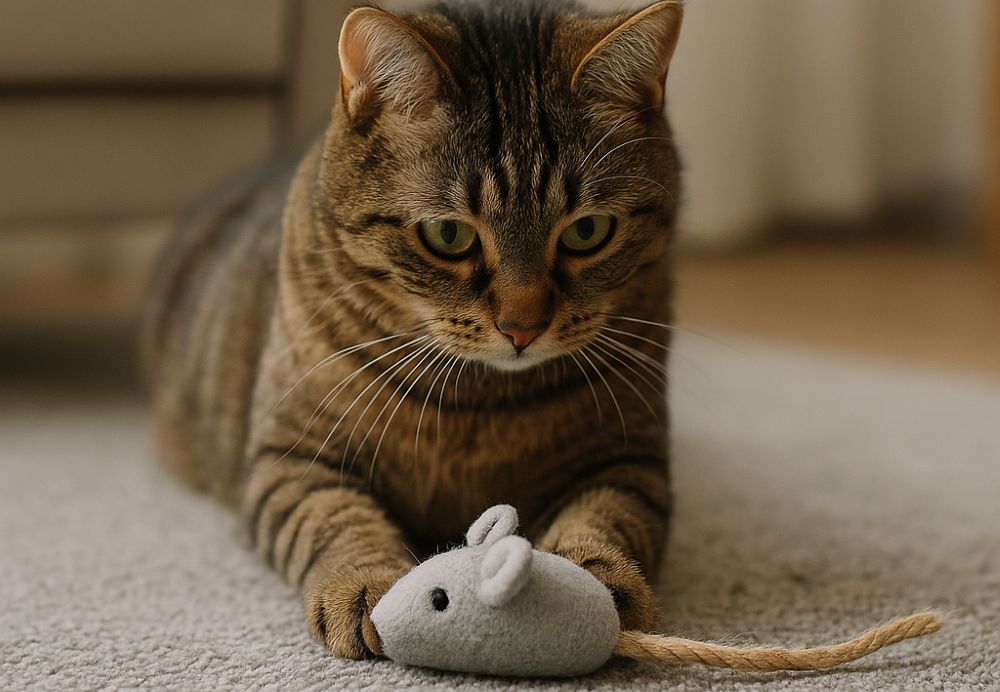
Loneliness in cats often appears in subtle ways. Excessive sleeping, overeating, vocalizing, destructive scratching, and clingy behavior may indicate a lack of stimulation. These behaviors emerge because a cat’s natural hunting instincts and curiosity are left unmet. Toys for lonely cats help bridge that gap, turning empty rooms into interactive environments filled with activities that mimic movement, challenge the mind, and satisfy instinctual needs.
One of the most effective toy types for lonely cats is the motion-based toy. Rolling balls, wobble toys, spring-mounted teasers, and unpredictable bouncing mechanisms encourage active play without requiring human input. These toys replicate the thrill of chasing prey, allowing the cat to burn energy and release stress even when the owner is away. Many brands create self-play feather stands or rotating attachments specifically designed to keep a lonely cat engaged for longer periods.
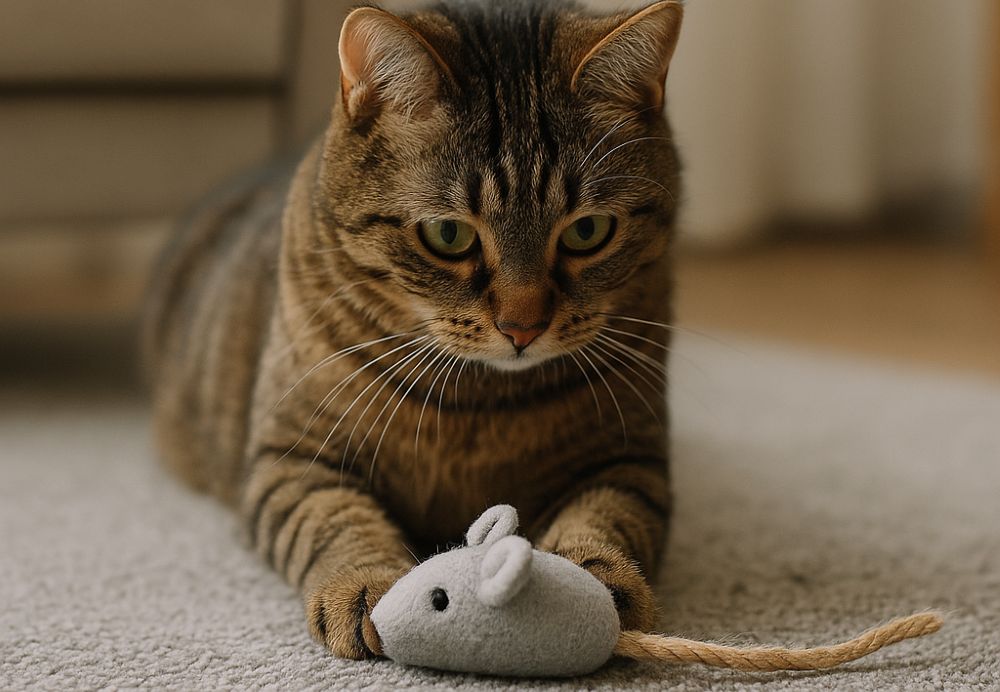
Texture-based toys also offer unique value. Felt mice, plush critters, crinkle prey, and natural fiber toys provide tactile feedback that cats find deeply satisfying. For cats that experience anxiety when left alone, soft toys can become comfort objects. High-quality toys for lonely cats often combine soft textures with subtle scents, such as catnip or silvervine, to encourage gentle interaction and emotional soothing.
Puzzle toys are another powerful category. These toys stimulate the mind and reward problem-solving, helping to distract a lonely cat from the absence of its owner. Treat-dispensing balls, sliding puzzles, and sniffing mats activate cognitive functions that reduce stress and improve confidence. When a cat successfully solves a puzzle, the reward system reinforces curiosity and encourages independent exploration.
Quiet-function toys are essential for cats active during nighttime hours. Many lonely cats become more vocal or restless at night because they lack mental stimulation during the day. Silent rolling toys, soft felt prey, and bounce-back feathers allow cats to express natural hunting instincts without disturbing household sleep. Pet owners frequently search for toys for lonely cats that are effective yet noise-free, making silent toys an important part of any product lineup.
Safety remains a major factor. Since lonely cats interact with toys unsupervised, durability and non-toxic materials are critical. Reinforced stitching, secure attachments, EVA foam components, and safe dyeing methods ensure long-term use. A safe toy allows the cat to bat, bite, scratch, and kick without risk of choking or injury. Responsible suppliers who produce toys for lonely cats must follow strict quality standards, especially for international markets.
Beyond entertainment, toys play a significant role in emotional wellness. A lonely cat that feels in control of its environment becomes more confident and less anxious. Toys that respond to touch—such as feather springs or wobble bases—make the cat feel powerful and capable. This sense of interaction helps reduce stress-associated behaviors like excessive grooming, pacing, or meowing. Providing a variety of toys ensures continuous stimulation, preventing boredom-related depression in indoor cats.
From a business perspective, the market for toys for lonely cats continues to expand rapidly. Pet owners increasingly prioritize mental health and emotional enrichment when buying toys. Lightweight, durable, photogenic toys perform well on e-commerce platforms, and seasonal designs or interchangeable attachments allow brands to refresh product lines easily. Including natural fibers, eco-friendly materials, or refillable catnip components adds additional selling points that appeal to modern consumers.
Marketing strategies that highlight emotional benefits—such as reduced loneliness, healthier routines, and improved mood—strongly resonate with cat owners. Social media videos showing cats interacting with self-play toys often go viral, increasing brand visibility and customer trust. Retailers who understand the emotional needs of lonely cats can build stronger, more loyal audiences by offering meaningful solutions.
Ultimately, toys are more than accessories—they are emotional support tools. Investing in carefully designed toys for lonely cats helps owners ensure their pets feel safe, stimulated, and fulfilled when alone. These toys turn solitude into an opportunity for exploration and growth, shaping a healthier and happier indoor lifestyle.
Tel: Phone / WhatsApp: +86 13718368168
Email: Email: info@fukapets.com

 KR
KR JP
JP EN
EN