
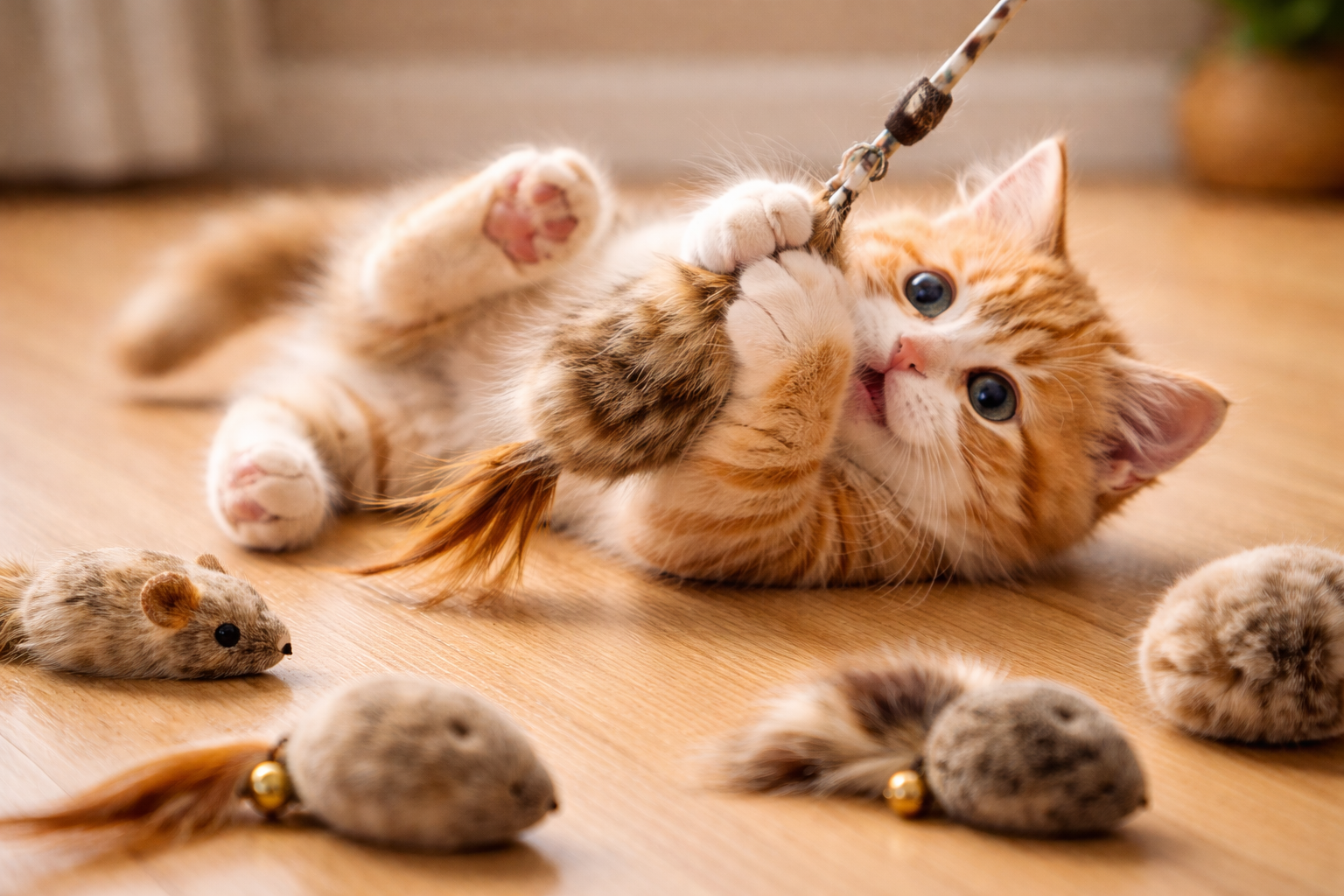
The global cat toy market has seen a clear shift in recent years, driven by pet owners who are more informed, selective, and emotionally invested in their cats’ well-being. Texture, scent, and instinct-driven engagement now matter more than flashy colors or novelty shapes. At the center of this trend is a product category that closely aligns with feline hunting behavior and sensory preferences: the rabbit fur cat toy.
Rather than relying on synthetic fabrics alone, many brands are exploring natural fur materials to enhance realism and stimulation. This shift reflects a deeper understanding of how cats interact with toys and what keeps them mentally and physically engaged over time.
Cats are instinctive hunters, even when raised entirely indoors. Their play behavior mimics real hunting sequences—stalking, pouncing, biting, and carrying prey. A rabbit fur cat toy closely replicates the texture and resistance of natural prey, triggering stronger and longer-lasting engagement compared to smooth or artificial materials.
Natural fur also retains subtle scents that cats find intriguing. Unlike plastic or silicone toys, rabbit fur absorbs and holds environmental smells, which can increase curiosity and repeated interaction. This sensory depth explains why many cats show immediate interest when introduced to fur-based toys.
 The Role of Texture in Feline Enrichment
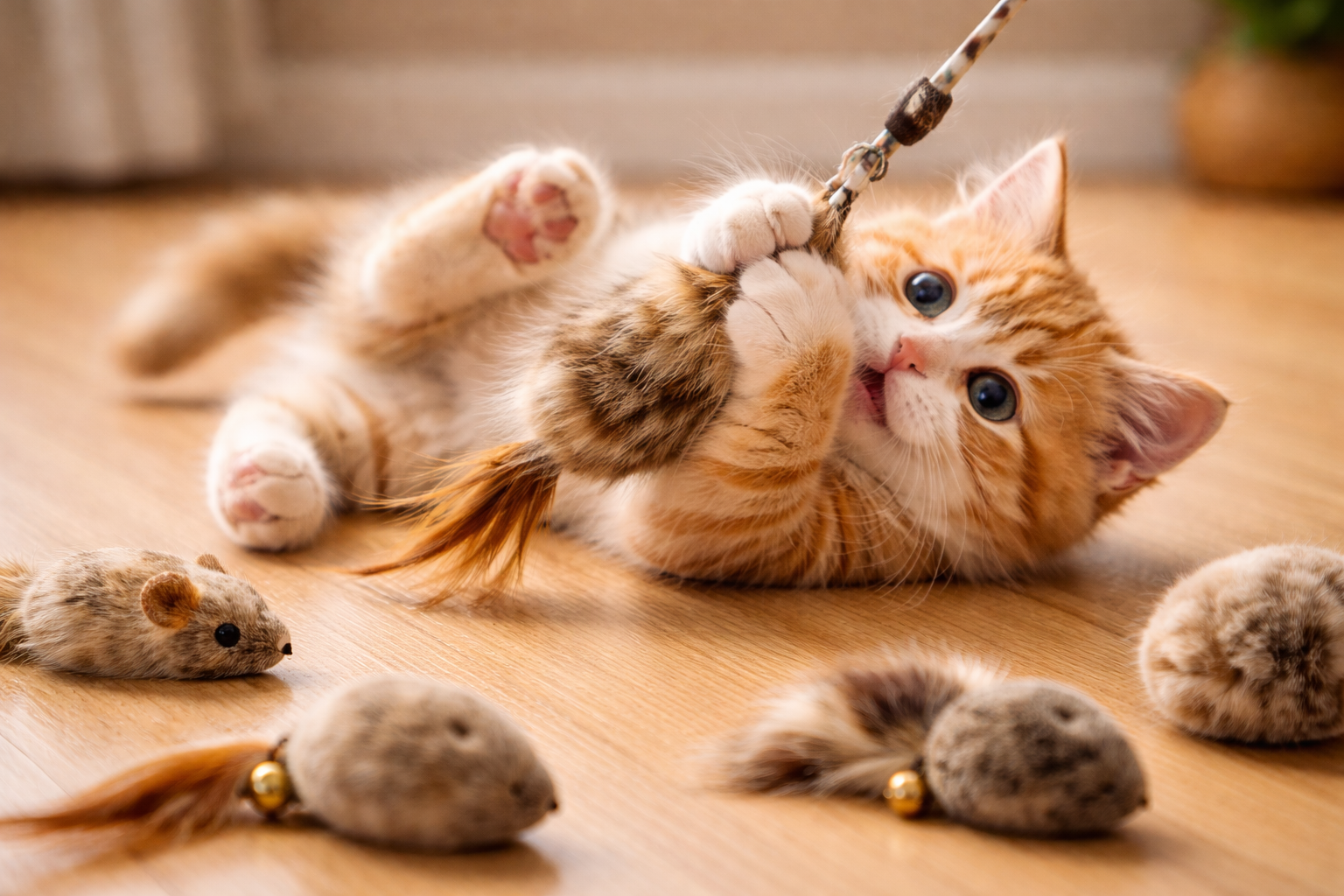
Texture plays a critical role in cat enrichment. A rabbit fur cat toy provides a soft yet irregular surface that responds dynamically to biting and clawing. This variability keeps cats engaged longer and reduces boredom, especially for indoor cats with limited stimulation.
Many veterinarians and pet behavior specialists recommend toys that encourage natural behaviors. Fur-based toys support healthy chewing, controlled aggression release, and stress reduction. As a result, they are increasingly viewed as enrichment tools rather than simple entertainment products.
One common concern surrounding rabbit fur products involves sourcing and safety. Reputable manufacturers ensure that rabbit fur cat toy products are made from responsibly sourced materials, often as byproducts of the food industry rather than fur-only harvesting.
From a safety perspective, high-quality construction is essential. Secure stitching, reinforced attachment points, and proper curing of fur materials reduce risks associated with shedding or ingestion. Brands that prioritize transparency and testing build stronger trust with pet owners who are increasingly cautious about what they bring into their homes.
The rabbit fur cat toy category includes a wide range of formats. Some toys combine fur with rope, wood, or feathers to add complexity, while others focus on minimalist prey-style designs. Popular forms include teaser wand attachments, small toss-and-carry toys, and refillable modular components.
Customization also plays a role in market differentiation. Brands can vary fur length, color tone, toy weight, and internal fillers to appeal to different cat sizes and play styles. These design options allow companies to create distinct product lines without compromising the core appeal of natural fur.
While synthetic toys often emphasize durability, they can lack sensory realism. A well-made rabbit fur cat toy balances softness with resilience, offering a longer usable lifespan than many consumers expect. When properly constructed, these toys withstand repeated biting and clawing while maintaining their texture.
Pet owners also perceive higher value in natural-material toys, even if replacement cycles are shorter. This perception supports premium pricing strategies and repeat purchases, especially when brands clearly communicate care instructions and replacement recommendations.
Sustainability is no longer a niche concern. Many consumers actively seek products that align with ethical and environmental values. A responsibly sourced rabbit fur cat toy can fit well within this mindset when paired with clear messaging about material origin and waste reduction.
Packaging choices, such as recyclable boxes or minimal plastic use, further reinforce eco-conscious branding. Together, these factors influence purchasing decisions and brand loyalty in a competitive pet product market.
In both physical retail and online platforms, rabbit fur cat toy products often perform well in demonstration-based marketing. Videos showing cats’ immediate reactions to fur toys generate higher engagement rates and stronger conversion metrics.
Customer reviews frequently highlight how quickly cats take interest and how often they return to these toys. This user-generated feedback reinforces credibility and helps new buyers feel confident in their purchase.
As pet owners continue to humanize their pets while respecting natural behaviors, demand for realistic, enrichment-focused toys is expected to grow. The rabbit fur cat toy represents a broader movement toward biologically appropriate play products.
Innovation will likely focus on modular designs, mixed-material construction, and improved sourcing transparency. Brands that adapt early will be well-positioned to capture long-term customer trust.
Tel: Phone / WhatsApp: +86 13718368168
Email: Email: info@fukapets.com

 KR
KR JP
JP EN
EN