
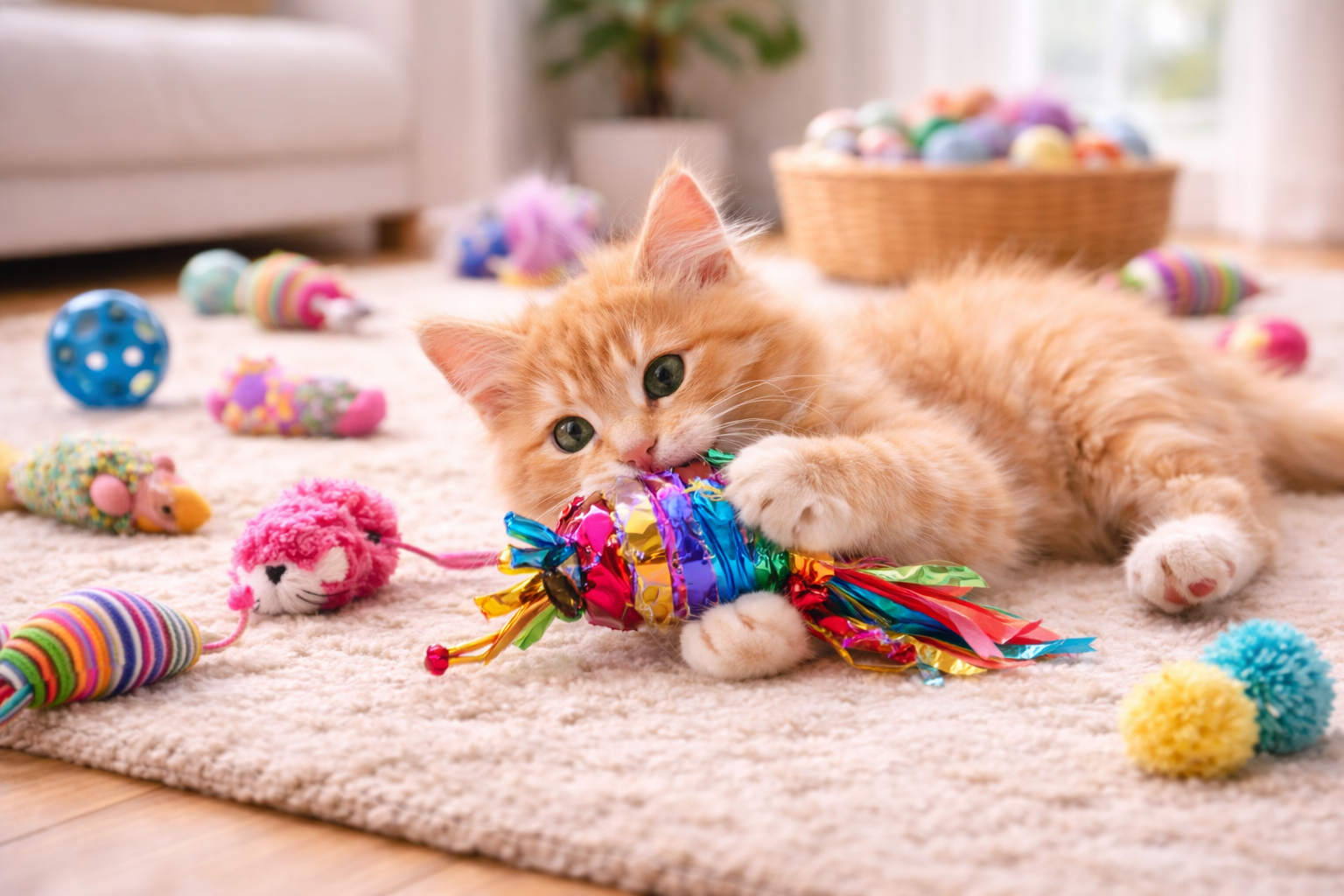
For pet retailers and e-commerce sellers, managing inventory efficiently is essential to staying competitive in a rapidly growing pet products market. One proven approach is optimizing Cat Toy Bulk Orders, which allows businesses to maintain consistent stock levels, reduce per-unit costs, and expand product variety without frequent reordering. Bulk ordering is not merely a purchasing tactic—it is a strategic supply chain decision that directly influences pricing flexibility, merchandising potential, and long-term profitability in the cat toy segment.
Effective Cat Toy Bulk Orders planning begins with demand forecasting. Retailers must analyze sales trends, seasonal patterns, and customer preferences to determine which toy categories warrant larger quantities. Plush mice, feather wands, balls, and catnip toys often demonstrate steady turnover, making them ideal candidates for bulk procurement. By aligning order volumes with historical sales data, businesses avoid overstocking slow-moving items while ensuring high-demand toys remain available. This data-driven approach minimizes storage costs and prevents lost sales due to stockouts.
Cost efficiency is one of the strongest advantages of structured Cat Toy Bulk Orders. Manufacturers and wholesalers typically offer tiered pricing, where unit costs decline as order quantities increase. Retailers leveraging these discounts can achieve healthier margins or pass savings to customers through competitive pricing and promotions. Bulk purchasing also reduces administrative expenses related to frequent small orders, such as transaction fees, documentation, and handling time. Over time, consolidated procurement significantly lowers operational overhead.
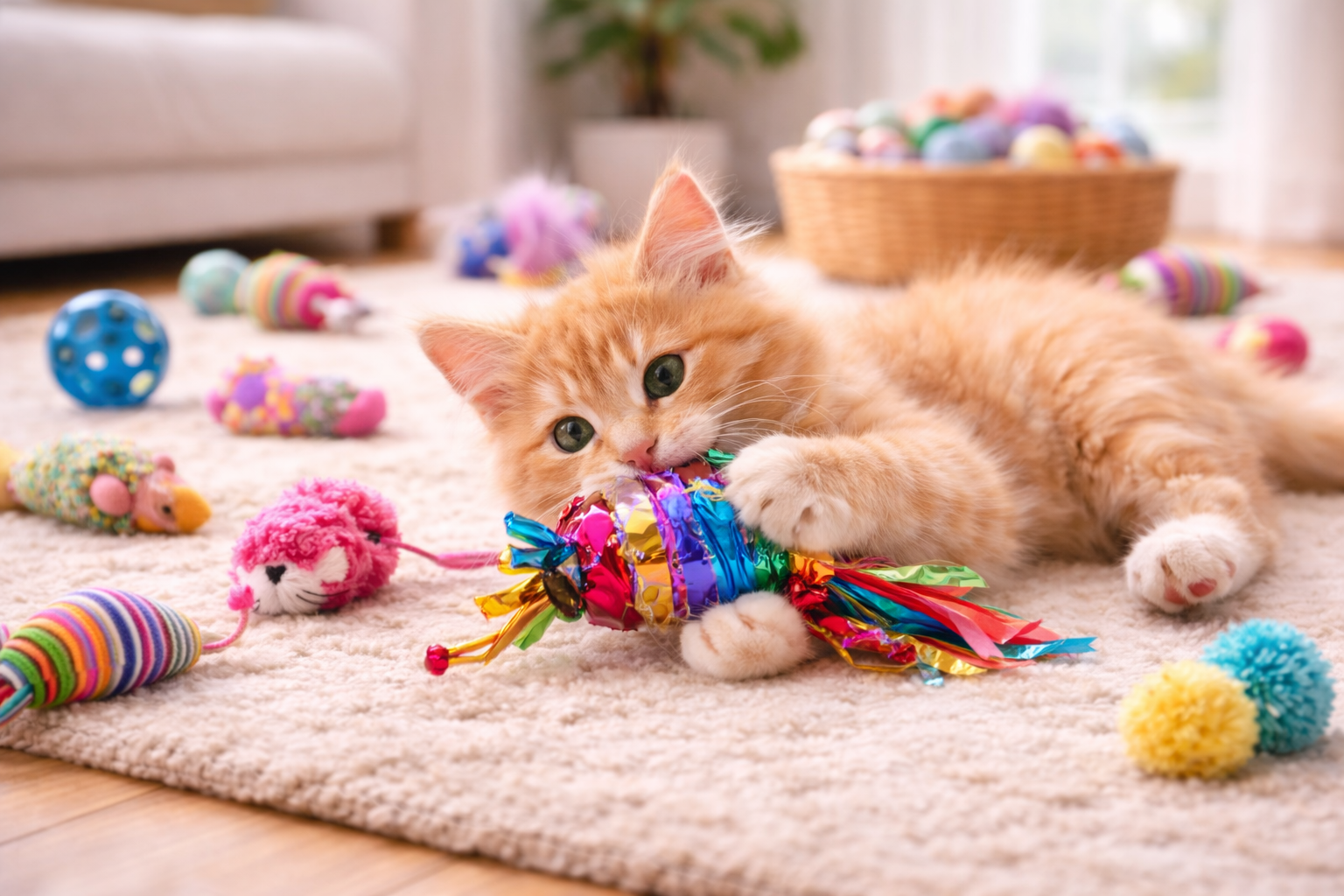 Product assortment diversity improves when retailers coordinate Cat Toy Bulk Orders across multiple toy types. Instead of ordering single products in isolation, businesses can create mixed bulk assortments that include interactive toys, chewable items, and enrichment products. This strategy enhances in-store displays and online catalogs, encouraging cross-category purchases. Customers are more likely to buy multiple toys when presented with varied options, increasing average order value and overall sales volume.
Supplier relationships become more stable through consistent Cat Toy Bulk Orders cycles. Regular high-volume purchasing positions retailers as priority clients, often granting access to preferential pricing, early product releases, or customization services. Strong partnerships also improve communication regarding production timelines, material changes, or packaging updates. Reliable supplier collaboration ensures smoother inventory planning and reduces unexpected disruptions in supply.
Quality assurance remains critical even at large volumes of Cat Toy Bulk Orders. Retailers should verify material safety, stitching durability, and component security before committing to high quantities. Requesting pre-production samples and batch inspections helps maintain product consistency across shipments. Consistent quality protects brand reputation and reduces return rates, particularly important for online sellers where customer reviews influence purchasing decisions.
Logistics optimization plays a major role in successful Cat Toy Bulk Orders management. Consolidated shipments lower per-unit freight costs and simplify customs or import procedures for international buyers. Efficient packaging—such as compressed or stackable cartons—maximizes container space and reduces transportation expenses. Retailers should evaluate total landed cost, including freight, duties, and storage, to determine optimal order sizes that balance savings with warehouse capacity.
Branding opportunities expand through private-label Cat Toy Bulk Orders programs. Many manufacturers allow retailers to customize packaging, colors, or logos once minimum quantities are met. Branded toy collections differentiate retailers from competitors selling generic products and build long-term customer recognition. Private labeling also enables cohesive product lines—matching toys, accessories, and packaging aesthetics—that strengthen brand identity across retail channels.
Marketing strategies benefit from stable Cat Toy Bulk Orders inventory. Bulk stock supports promotional bundles, seasonal gift sets, and value packs that attract price-sensitive customers. Retailers can create kitten starter kits, multi-toy play packs, or holiday-themed assortments without additional sourcing complexity. Such merchandising approaches increase perceived value and encourage repeat purchases, particularly when customers associate the retailer with consistent product availability.
Sustainability considerations are increasingly integrated into modern Cat Toy Bulk Orders planning. Ordering larger consolidated shipments reduces packaging waste and transportation emissions compared with frequent small deliveries. Retailers can also select eco-friendly toy materials—natural fibers, recycled fabrics, or biodegradable fillers—within bulk assortments. Communicating these sustainability attributes enhances brand perception among environmentally conscious pet owners.
Ultimately, strategic Cat Toy Bulk Orders management enables retailers to balance cost control, product variety, and supply reliability. Businesses that forecast demand accurately, partner with dependable suppliers, and integrate branding and merchandising strategies into bulk procurement gain a durable competitive advantage. As global demand for engaging and affordable cat toys continues to rise, retailers mastering bulk ordering systems position themselves for scalable growth and stronger market presence.
Tel: Phone / WhatsApp: +86 13718368168
Email: Email: info@fukapets.com

 KR
KR JP
JP EN
EN