
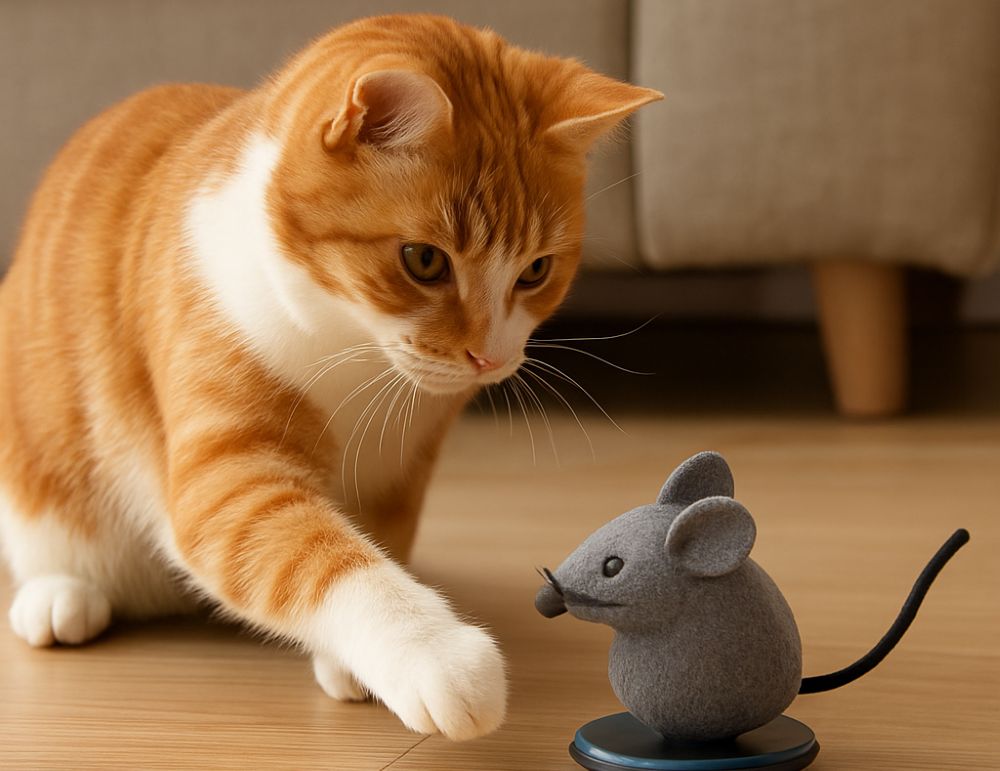
The rising popularity of cat toys for independent play reflects a major shift in how pet owners approach feline enrichment and daily stimulation. With more people working long hours, living in smaller apartments, or managing unpredictable schedules, the need for toys that keep cats entertained without constant human involvement has reached an all-time high. This new generation of enrichment products is transforming the pet industry by offering smarter, safer, and more engaging alternatives that support both physical and mental health.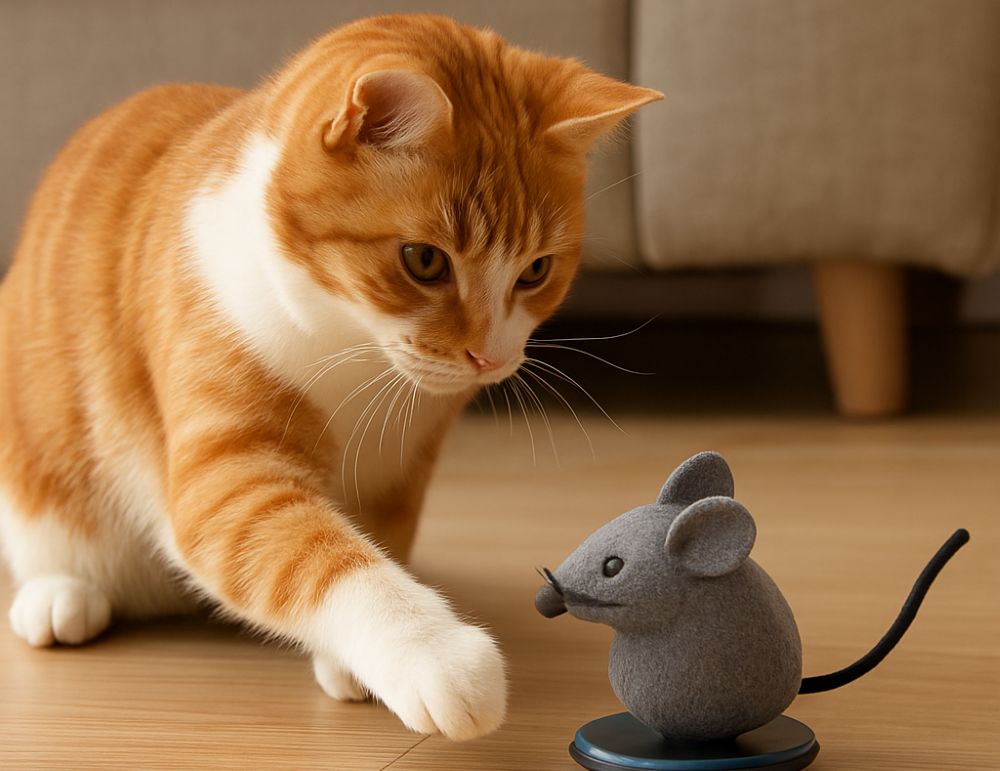
One of the strongest advantages of cat toys for independent play is their ability to activate a cat’s natural instincts. Hunting behavior—stalking, pouncing, grabbing, kicking, and chewing—is at the heart of feline psychology. Toys designed for solo play mimic prey movements, textures, and unpredictability, allowing cats to engage in instinct-driven activities even when their guardians are not at home. This reduces boredom, destructive behavior, and nighttime restlessness, making life easier for both the owner and the pet.
Another reason these toys are gaining traction is the diversity of designs now available. While early independent-play toys were simple balls or fabric mice, modern cat toys for independent play include interactive puzzle feeders, motion-sensor toys, rolling LED balls, felt bugs, wobble toys, flopping attachments, and refillable catnip pouches. These varieties allow pet brands and retailers to appeal to different feline personalities—from energetic hunters to gentle paw-batters to highly intelligent cats that prefer problem-solving challenges.
Durability has also become a defining characteristic of today’s products. Many manufacturers use EVA foam, felt, wool, reinforced stitching, impact-resistant plastics, bamboo fibers, or silicone to create toys that withstand repeated, unsupervised play. Since customers demand long-lasting toys that offer value for money, durability is a key selling point when marketing cat toys for independent play. Wholesalers and retailers often highlight this in product descriptions to differentiate from low-quality competitors.
A major trend shaping the category is the preference for “quiet toys.” Many owners look specifically for cat toys for independent play that do not produce loud plastic clacking sounds. This is especially important for households with babies, night-shift workers, roommates, or sensitive pets. Soft materials such as felt, wool, cotton rope, or plush have become top choices because they create minimal noise while still offering engaging textures.
Beyond functionality, design aesthetics have also evolved. With home décor becoming a key influencer in consumer purchasing behavior, shoppers lean toward toys with muted tones, earthy textures, or pastel colors. Photo-friendly designs—like felt carrots, wool balls, colorful insects, and feathered accessories—are extremely popular on social media. Pet brands that invest in attractive, lifestyle-friendly visuals often see better engagement and higher conversion rates for cat toys for independent play.
From an SEO perspective, the keyword cat toys for independent play carries strong commercial intent. Users searching this phrase are typically ready to buy—they know their cat needs enrichment and are actively seeking suitable products. To maximize organic traffic, brands should pair the main keyword with long-tail variations such as “independent play cat toy for indoor cats,” “best solo-play toys for kittens,” “quiet nighttime cat toy,” or “self-play enrichment toy.” These combinations capture search behaviors across multiple contexts, increasing visibility and purchase likelihood.
Educational content also boosts SEO performance. Articles that explain why independent play reduces stress, how boredom affects feline health, or how certain materials support natural instincts help establish authority. Adding lifestyle tips—such as how to rotate toys, how to introduce a new toy, or how to create an enrichment routine—keeps readers engaged and improves ranking signals. Each of these strategies strengthens a brand’s ecosystem around cat toys for independent play.
Safety is another factor that influences customer trust. Modern pet owners are far more aware of material toxicity, loose attachments, small parts, and choking hazards. Brands that clearly describe their safety standards, testing processes, and material certifications gain a strong competitive edge. For independent-play toys, secure construction is especially important since cats interact with them without supervision. Clear messaging about safety builds credibility and increases repeat purchases.
International markets have also contributed to the category’s growth. The U.S., Germany, Australia, the UK, South Korea, and Japan show particularly high demand for cat toys for independent play, especially those positioned as eco-friendly or handmade. Global customers appreciate toys made from sustainable materials, minimalist designs, or culturally themed shapes. Wholesalers who offer customizable colors, seasonal collections, and refillable accessories often gain strong traction on e-commerce platforms.
Retailers can also benefit from bundling strategies. Packs that combine multiple textures—feathers, felt pieces, wool balls, catnip toys, and wobble toys—perform extremely well. Bundles increase average order value while giving cats a variety of play styles. Since cats often respond better to toy rotation, bundles make it easier for owners to maintain novelty and engagement.
In summary, cat toys for independent play are not simply a trend—they represent an essential shift toward healthier and more instinct-friendly pet lifestyles. As cats’ needs become better understood, and as pet owners seek more efficient ways to support enrichment at home, the market for these toys will continue to expand. Brands that adapt early, focus on quality, and communicate value clearly will be well positioned to succeed.
Tel: Phone / WhatsApp: +86 13718368168
Email: Email: info@fukapets.com

 KR
KR JP
JP EN
EN