
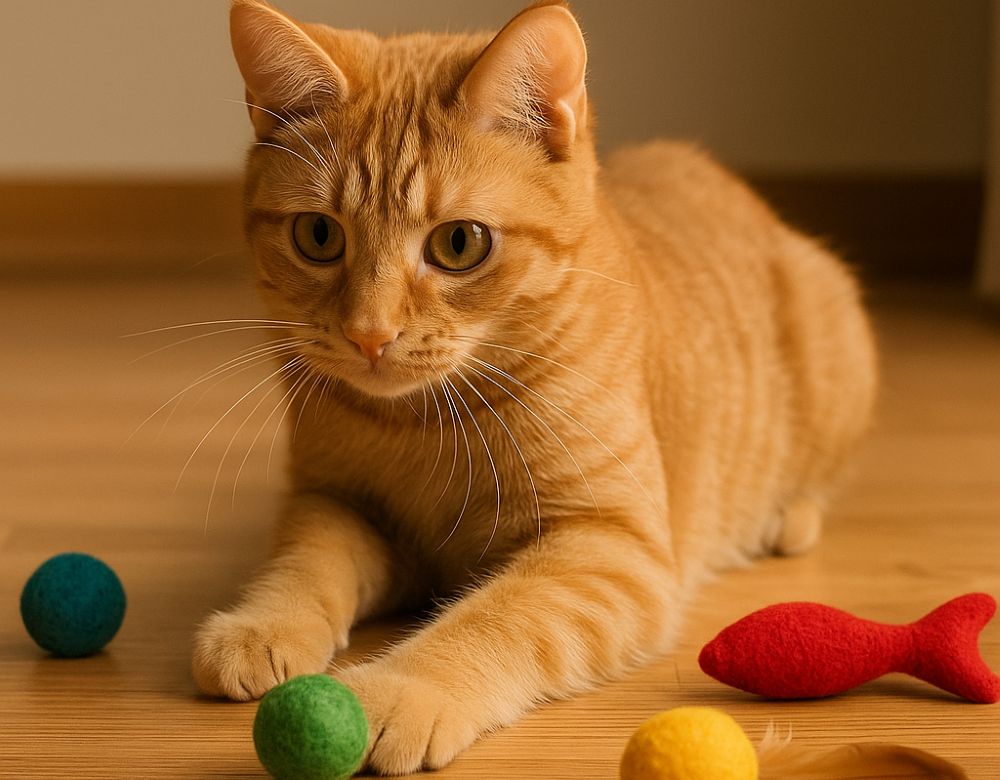
As lifestyles become busier and more pet owners work long hours away from home, the demand for toys for lonely cats has grown rapidly across the global pet industry. Indoor cats, while safe and comfortable inside the home, often struggle with long periods of solitude, which can lead to boredom, stress, and even unwanted behaviors. High-quality enrichment toys are now viewed not as optional accessories, but as essential tools that support emotional well-being, physical activity, and mental stimulation. Understanding why this category matters—and how to select the best options—offers tremendous opportunities for retailers, manufacturers, and cat parents alike.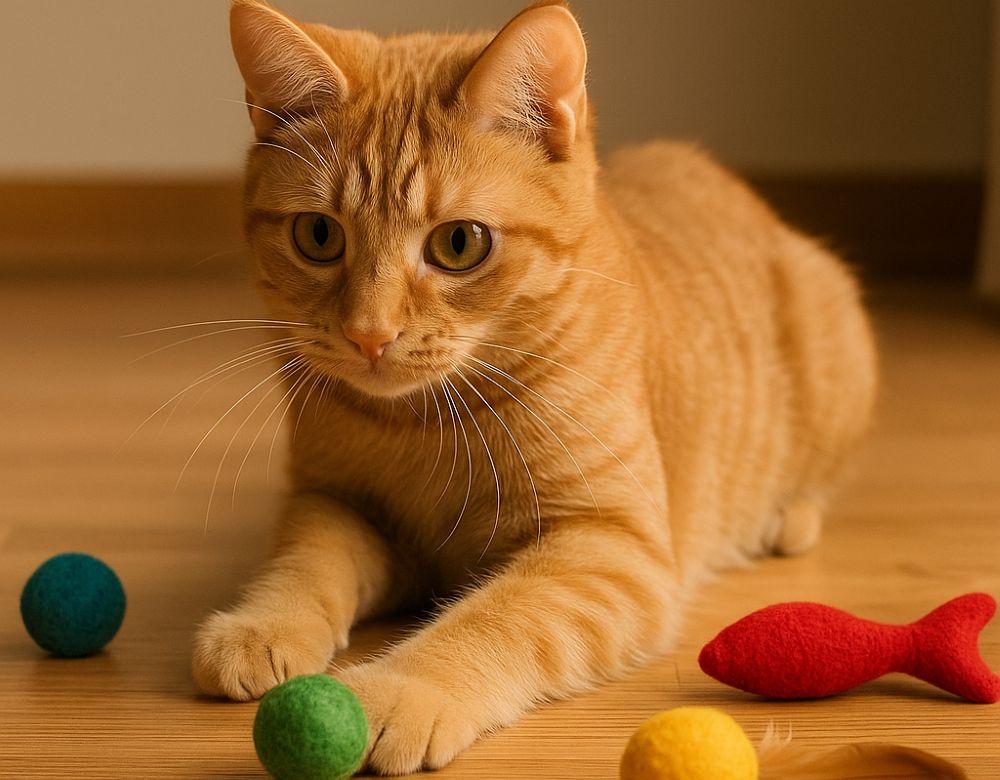
Cats, by nature, are active predators. Their instincts drive them to hunt, pounce, stalk, and explore. When left alone for extended periods, these instincts are left unfulfilled, which can result in excessive meowing, scratching furniture, overeating, or sleeping out of boredom. Toys for lonely cats help bridge this gap by providing structured engagement that encourages independent play. They simulate hunting behaviors through motion, texture, sound, catnip aroma, or unpredictable movement patterns, keeping a lonely cat entertained even when the home is quiet.
One of the strongest benefits of toys for lonely cats is the reduction of separation anxiety. While cats are often perceived as independent animals, many are deeply bonded with their families and become stressed when left alone without stimulation. Toys that activate curiosity—such as wobbling toys, rolling balls, flapping attachments, or motion-sensor devices—offer a sense of companionship and distraction. These toys keep cats occupied and emotionally balanced, helping them feel secure even during long hours of solitude.
Another important factor is the diversity of toy designs now available. Simple plush toys and balls still hold their place, but today’s market offers advanced interactive products, including track toys, puzzle feeders, flopping fish toys, felt insects, silent spinners, and electronic toys that activate only when approached. This technology-driven evolution ensures that toys for lonely cats can meet the needs of kittens, seniors, high-energy cats, and even shy or fearful ones. For example, puzzle toys double as both enrichment and slow-feeding tools, helping cats stay mentally sharp while preventing overeating during lonely hours.
Quiet play has become a priority for many households. Cats often become active at dawn or dusk, and noisy toys can disturb sleeping family members. Soft materials—felt, wool, fleece, plush, or natural fibers—are ideal for toys for lonely cats because they create silent engagement. Quiet toys allow cats to act on their natural rhythms without disrupting a household’s sleep routine. This feature is especially appealing for apartment living or shared housing spaces.
Durability plays a major role as well. Because lonely cats often rely heavily on their toys, manufacturers are prioritizing materials that withstand repeated batting, kicking, and chewing. Reinforced stitching, dense felt, EVA foam, sturdy plastics, bamboo fiber, and natural wool have all become popular choices. When promoting toys for lonely cats, brands often emphasize strength, safety, and long-lasting value—key purchasing factors for informed cat parents.
From a commercial perspective, the keyword toys for lonely cats signals high buying intent. Customers searching for this term are actively seeking solutions to emotional or behavioral challenges related to cat loneliness. SEO-optimized product listings, blog posts, and category pages targeting this keyword frequently outperform more general cat-toy terms. Combining the main keyword with long-tail variations such as “best toys for lonely indoor cats,” “interactive loneliness relief toys for cats,” or “self-play toys for cats home alone” further expands organic search reach.
Content marketing is a particularly effective strategy. Articles explaining why cats get lonely, how enrichment improves mood, or how to create an independent-play environment provide real value to readers. Brands that include lifestyle photography—cats happily playing alone with toys—also strengthen customer trust. Visuals paired with informative descriptions make toys for lonely cats feel not only functional but emotionally reassuring for pet owners.
Safety is another top priority. Because lonely cats use toys unsupervised, parents want reassurance that materials are non-toxic, attachments are secure, and components will not pose choking hazards. Brands that openly discuss safety testing, eco-friendly fabrics, or natural dye usage earn higher customer confidence. Clear communication boosts repeat purchases, especially for customers with anxious or sensitive pets.
Customization is also shaping the evolution of the category. Many brands now offer refillable catnip toys, replaceable feather attachments, modular play sets, and seasonal themes—such as holiday-themed plush toys or spring-inspired insect toys. Customization keeps cats engaged by refreshing their play environment, making toys for lonely cats part of a long-term enrichment strategy instead of a one-time purchase.
Bundling has also become a powerful tactic. Multi-toy packs offer variety, prevent boredom, and allow owners to rotate toys regularly—a technique proven to maintain a cat’s interest. Bundles that mix textures (felt, feathers, wool), play styles (rolling, flapping, kicking), and scents (catnip, silvervine) create a richer experience for lonely cats. Retailers benefit through higher order values and better customer satisfaction.
In conclusion, toys for lonely cats are now recognized as essential components of a healthy feline lifestyle. As the pet industry continues to expand, and as cat parents gain more knowledge about behavioral enrichment, the demand for effective and safe solo-play toys will only grow stronger. Brands that focus on emotional comfort, natural instincts, safety, eco-friendly materials, and strong SEO strategies are best positioned to lead this thriving market.
Tel: Phone / WhatsApp: +86 13718368168
Email: Email: info@fukapets.com

 KR
KR JP
JP EN
EN