
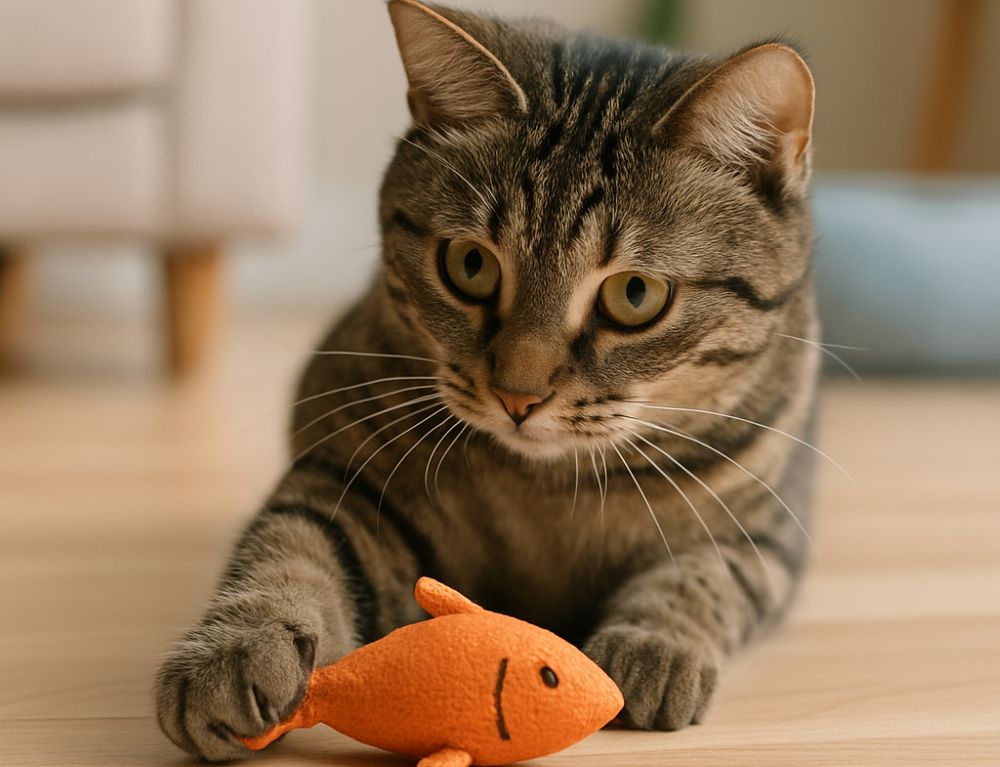
As more pet owners adapt to busy lifestyles, the demand for home alone cat toys has grown dramatically. Indoor cats spend long hours without human interaction, and without proper stimulation they may experience boredom, anxiety, destructive scratching, nighttime hyperactivity, or overeating. This has created a new generation of enrichment products designed specifically to keep cats mentally and physically active when their owners are away. In this comprehensive guide, we explore why home alone cat toys matter, what features customers look for, and how pet brands can capitalize on this fast-growing category.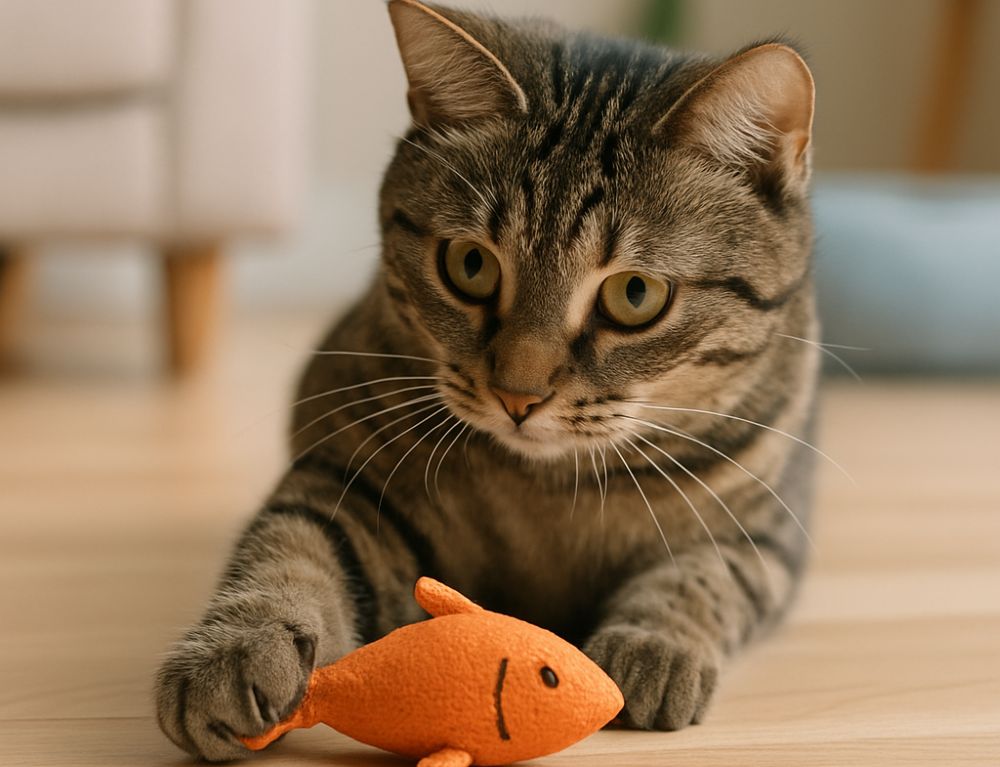
Cats have complex behavioral needs rooted in their instinct to hunt, explore, stalk, and pounce. When these instincts are not exercised regularly, even the calmest cat may begin displaying stress-related behaviors. Home alone cat toys help bridge this gap by providing structured stimulation that encourages natural hunting sequences. For example, toys with unpredictable motion, rolling patterns, fluttering feathers, or treat-releasing mechanisms allow cats to practice stalking and capturing “prey” even in a quiet home environment.
One major advantage of home alone cat toys is that they reduce dependency on owners. While interactive wand toys are beneficial, they require human participation. By contrast, self-play toys operate independently—allowing cats to enjoy entertainment at any time of day. This is especially useful for cat parents who work long hours, travel frequently, or have irregular schedules. The availability of stimulating toys greatly improves feline well-being and reduces guilt for owners who cannot always be physically present.
The variety within this product category continues to expand. Traditional designs such as balls, springs, felt mice, and catnip pouches remain popular, but modern home alone cat toys now include electronic motion toys, auto-timers, wobble feeders, flapping insects, silent rollers, and smart-sensor toys that activate only when a cat approaches. Many devices mimic the unpredictable movements of insects or small animals, offering a type of play that feels more instinctively rewarding.
Quiet toys are another top-performing group within this category. Because many cats become most active during dawn and dusk, owners prefer home alone cat toys that do not generate loud noises. Felt toys, wool balls, silent rollers, and feather puffs allow cats to play energetically without disturbing household members who may be sleeping or working. This quiet-play feature has become a major selling point on e-commerce platforms.
Durability is also a central concern. A home-alone toy must withstand repeated kicking, biting, scratching, and batting without falling apart. Manufacturers who use reinforced stitching, strong fabrics, EVA foam, wool felt, bamboo fibers, or ABS plastic gain an advantage. Clear communication about materials and safety testing reassures customers that their pets can interact with the toys safely and unsupervised.
From a commercial standpoint, the search term home alone cat toys carries strong buying intent. Customers searching this phrase are not casually browsing—they are actively seeking a solution to a specific need. SEO optimization around this keyword provides excellent organic visibility, especially when combined with other long-tail keywords such as “best toys for cats home alone,” “independent play toys for indoor cats,” “quiet cat toys,” or “cat enrichment for work hours.” These combinations align with real search patterns seen across major marketplaces.
Retailers benefit further by pairing educational content with product listings. Blog posts, guides, and lifestyle photos demonstrating how home alone cat toys help prevent boredom or nighttime zoomies increase customer confidence. Videos showing real cats interacting with toys also influence conversion rates, especially when toys feature movement, wobbling, or catnip responsiveness.
Safety transparency is becoming increasingly important. Modern cat owners want toys that are non-toxic, securely constructed, free of small detachable parts, and made from safe materials. Brands that clearly list material certifications or manufacturing standards gain a long-term competitive edge. Because home alone cat toys must endure unsupervised play, responsible construction is essential.
Another trend is the growth of refillable and modular toy systems. Catnip-replaceable pods, detachable feather heads, interchangeable wands, and rotating attachments allow owners to refresh a toy without purchasing a new one each time. This satisfies customer demand for sustainability while also encouraging repeat purchases for refills. For manufacturers, this creates a recurring revenue model within the enrichment category.
Seasonal collections further stimulate demand. Holiday-themed home alone cat toys—such as Christmas reindeer, Halloween spiders, Valentine hearts, or Lunar New Year fish—perform extremely well in social media campaigns. Their visual appeal increases shareability, while limited-edition designs create urgency. Brands that invest in themed product lines strengthen both identity and customer engagement.
Finally, bundling strategies are highly effective. Multi-pack toy sets that include balls, felt toys, springs, feathers, and interactive components give cats variety and reduce boredom. These bundles offer excellent perceived value and help owners rotate toys, which keeps play sessions exciting. Because cats often lose interest in a single toy after repeated use, rotation-friendly bundles become an ideal solution for maintaining engagement.
In conclusion, home alone cat toys are now considered essential for any household with indoor cats. They support emotional health, encourage healthy activity, and prevent behavioral issues caused by inactivity or loneliness. As consumer awareness grows and lifestyles evolve, the demand for this category will continue to climb. Brands that focus on durability, innovation, quiet operation, and sustainability will find significant long-term opportunities in this thriving market.
Tel: Phone / WhatsApp: +86 13718368168
Email: Email: info@fukapets.com

 KR
KR JP
JP EN
EN