

Many cat owners believe cats are perfectly fine spending long hours alone, yet behavioral studies and everyday experience suggest otherwise. Without proper stimulation, indoor cats can become bored, inactive, or anxious. Selecting the best cat toys for home alone is one of the most effective ways to transform empty hours into healthy, enriching playtime.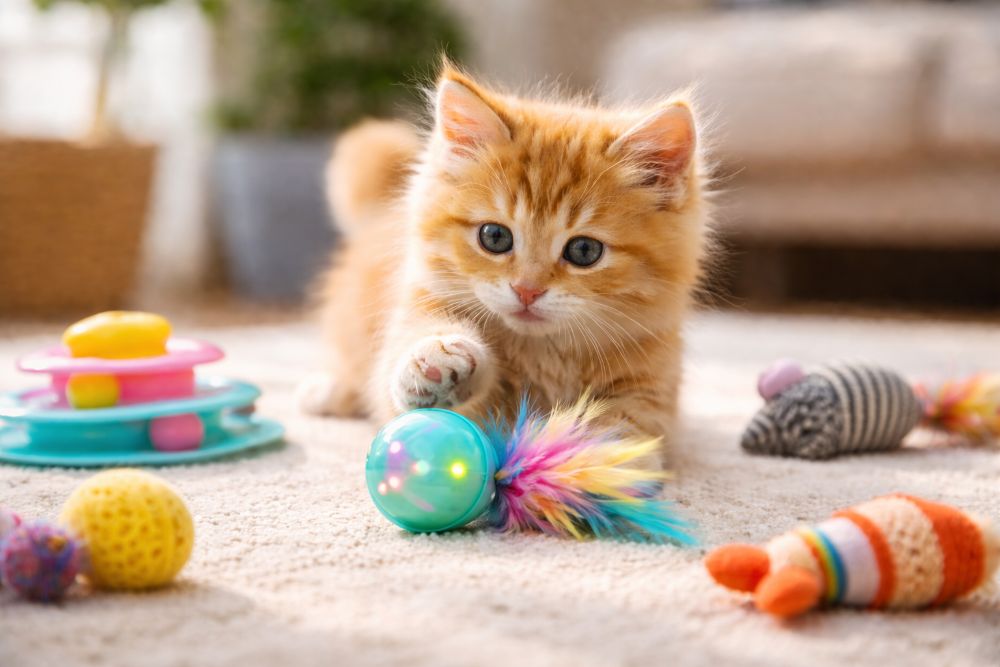
Unlike toys used during interactive play with humans, solo-play toys must work independently. They should encourage natural instincts, remain safe during unsupervised use, and continue to feel interesting even after repeated exposure.
Cats are natural hunters, wired to stalk, chase, and capture. When left alone without stimulation, this instinct has nowhere to go. The best cat toys for home alone recreate elements of hunting by offering movement, resistance, and sensory feedback.
Solo play helps cats:
Release excess energy
Reduce stress and frustration
Maintain a stable daily rhythm
Cats that engage in regular independent play are often calmer, sleep better, and show fewer destructive behaviors.
Safety is the most important factor when choosing the best cat toys for home alone. Toys used without supervision must be structurally sound and free from easily detachable parts.
High-quality solo toys are usually made from:
Thick felt or wool
Reinforced fabric
Durable mesh
Tightly stitched natural materials
These materials reduce the risk of tearing, swallowing, or choking. Simple designs with minimal components are generally safer and more reliable for long-term use.
Noise-sensitive cats can become startled or overstimulated by loud toys. For this reason, many owners prefer the best cat toys for home alone to be quiet and unobtrusive.
Silent toys allow cats to play at their own pace, whether during the day or late at night. Felt toys, fabric shapes, and soft rolling designs provide tactile satisfaction without bells, motors, or electronic sounds. This is especially important in apartments or shared living spaces.
Toys that move naturally across the floor are highly effective for solo play. Rolling toys, looped shapes, and lightweight objects encourage chasing and batting with minimal effort. The best cat toys for home alone often rely on a cat’s touch to activate movement, making play feel responsive rather than passive.
Unpredictable motion is key. Toys that roll unevenly or bounce slightly tend to hold attention longer, as they mimic the behavior of small prey.
Physical activity alone is not enough. Mental engagement plays a critical role in a cat’s overall well-being. Enrichment-focused designs are frequently considered among the best cat toys for home alone because they challenge problem-solving skills.
Puzzle toys, hidden treats, and textured surfaces encourage exploration and experimentation. These toys are particularly helpful for intelligent or food-motivated cats, offering both stimulation and reward.
Mental enrichment can also help reduce stress-related behaviors caused by long periods of inactivity.
Cats thrive on routine. The best cat toys for home alone support a predictable cycle of play, rest, and exploration. Toys that are available during the day help prevent excessive sleeping, which often leads to nighttime hyperactivity.
By encouraging activity earlier in the day, solo-play toys help balance a cat’s energy levels. This results in calmer evenings and improved sleep patterns for both cats and their owners.
Not all cats interact with toys in the same way. Choosing the best cat toys for home alone means considering age, physical ability, and personality.
Kittens benefit from lightweight toys that promote running and jumping. Adult cats often enjoy a mix of movement-based and enrichment toys. Senior cats may prefer softer toys that encourage gentle interaction without strain.
Observing how a cat responds to different textures and motions helps refine toy selection over time.
Even well-designed toys can lose appeal if left out constantly. Rotating toys every few days keeps the environment fresh and engaging. This strategy makes the best cat toys for home alone feel new without requiring frequent purchases.
Limiting available toys also reduces clutter and prevents overstimulation, creating a calmer living space.
Cats that regularly engage with solo-play toys tend to show better emotional balance and physical health. The best cat toys for home alone support muscle maintenance, cognitive activity, and stress relief.
For modern pet owners, these toys are no longer optional accessories—they are essential tools for responsible indoor cat care. Products designed with enrichment and safety in mind align with the growing demand for higher-quality pet lifestyles.
Providing the best cat toys for home alone is a proactive way to support a cat’s independence without sacrificing well-being. Safe materials, quiet designs, and thoughtful movement patterns allow cats to stay active, curious, and content even when no one is home. With the right toys, alone time becomes a positive part of a cat’s daily routine rather than a source of boredom or stress.
Tel: Phone / WhatsApp: +86 13718368168
Email: Email: info@fukapets.com

 KR
KR JP
JP EN
EN