
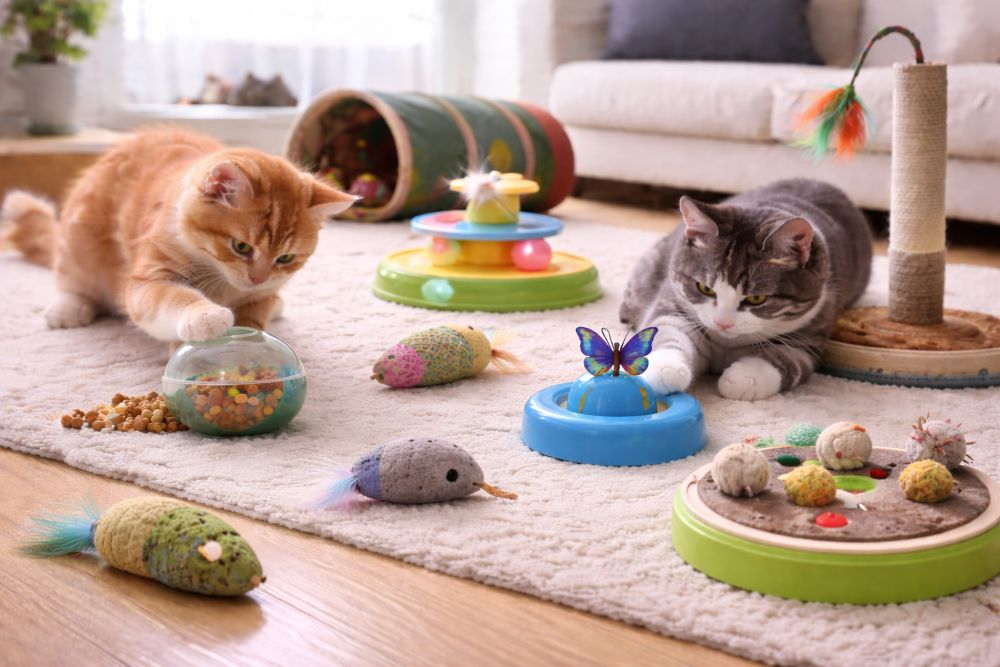
Modern lifestyles mean many cats spend long hours alone at home, which is why cat toys for independent play have become an essential part of responsible pet care. These toys are designed to keep cats mentally stimulated, physically active, and emotionally satisfied without constant human involvement. For pet owners, brands, and retailers alike, understanding the value of independent play toys is key to meeting the needs of today’s indoor cats.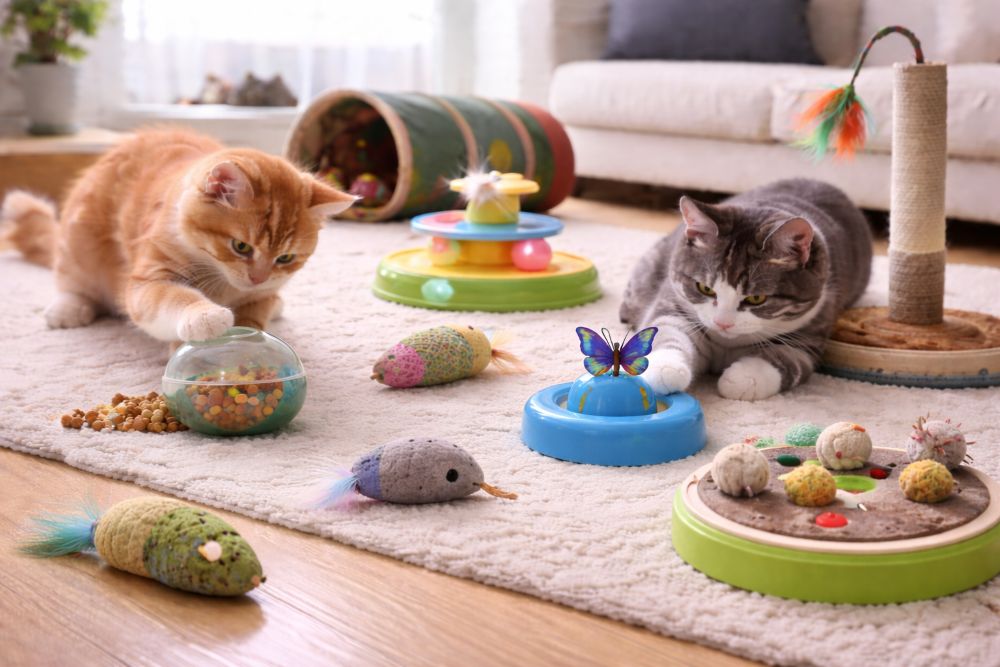
Unlike interactive toys that require human participation, cat toys for independent play focus on self-guided engagement. They encourage cats to explore, chase, bat, chew, and problem-solve on their own. This autonomy not only supports natural feline instincts but also helps prevent boredom-related behaviors such as scratching furniture, excessive meowing, or nighttime restlessness.
Cats are instinctive hunters, and when those instincts are not expressed, frustration can build. Cat toys for independent play provide a safe outlet for these natural behaviors. Rolling, pouncing, stalking, and pawing all mimic hunting sequences that cats would normally experience in the wild.
Independent play is especially important for indoor cats and single-cat households. Without access to outdoor stimuli or other animals, cats rely heavily on their environment for enrichment. Well-designed self-play toys help fill this gap by offering consistent engagement throughout the day.
Not all toys are suitable for solo use. High-quality cat toys for independent play share several important features. First, they are responsive. Whether through movement, texture, or scent, the toy should react when touched, keeping the cat interested.
Second, they are durable and safe. Since cats may play with these toys unsupervised, materials must be non-toxic, securely assembled, and resistant to tearing. Third, they are engaging over time. Toys that rely on unpredictable motion or multi-sensory stimulation tend to hold attention longer than static designs.
The category of cat toys for independent play includes a wide range of designs. Rolling balls are among the most popular, especially those that move easily across floors with minimal force. Mesh balls, soft rubber balls, and treat-dispensing balls encourage repeated batting and chasing.
Puzzle toys are another strong option. These toys challenge cats to solve simple problems to access treats or hidden rewards. Puzzle-based cat toys for independent play stimulate cognitive skills while slowing down eating, making them ideal for both enrichment and feeding routines.
Soft plush toys infused with catnip or silvervine appeal to scent-driven play. Cats often wrestle, chew, and cuddle these toys, providing both stimulation and comfort. For more active cats, spring toys and lightweight kickers offer dynamic movement without requiring human interaction.
For pet owners with demanding schedules, cat toys for independent play offer peace of mind. Knowing that a cat can stay entertained while alone reduces concerns about boredom or stress. These toys also help manage energy levels, making cats calmer and more relaxed when owners return home.
Independent play toys are particularly useful for maintaining routines. Cats can engage in play at their own pace, which supports emotional balance and reduces attention-seeking behaviors. Over time, this leads to a healthier and more harmonious household.
Safety is critical when selecting cat toys for independent play. Toys should not have small detachable parts, sharp edges, or long strings that could pose a choking hazard. Materials should be soft yet durable, and any internal fillers should be securely enclosed.
Regular inspection is also important. Even the best toys can wear down over time, so replacing damaged items ensures ongoing safe play. Brands that emphasize safety and quality build stronger trust with consumers.
From a business perspective, cat toys for independent play represent a high-demand, scalable product category. These toys appeal to a broad audience, from first-time cat owners to experienced pet parents. Their versatility makes them ideal for bulk purchasing, subscription boxes, and curated assortments.
Retailers often bundle independent play toys into variety packs, increasing perceived value while simplifying purchasing decisions. Custom branding and themed collections further enhance differentiation in competitive markets.
In online search behavior, cat toys for independent play is a high-intent keyword. Consumers searching for this phrase are typically looking for practical solutions rather than novelty items. Content that explains benefits, usage scenarios, and enrichment value performs well in search rankings.
Educational articles, buying guides, and product descriptions centered on cat toys for independent play help build authority and drive organic traffic. Clear messaging about independence, safety, and engagement increases conversion rates and encourages repeat purchases.
The long-term appeal of cat toys for independent play lies in their repeatability. Unlike short-lived novelty toys, well-designed independent play toys remain engaging over time. This sustained use reinforces value in the customer’s mind and strengthens brand loyalty.
For cats, consistent access to independent play supports physical health, mental sharpness, and emotional stability. For brands, it translates into positive reviews, repeat customers, and steady demand.
Focusing on cat toys for independent play is a smart and future-ready approach to feline enrichment. These toys empower cats to stay active and curious while giving owners confidence that their pets are well cared for, even when alone. By prioritizing safety, durability, and engagement, independent play toys deliver lasting benefits for cats, owners, and businesses alike in today’s indoor-focused pet world.
Tel: Phone / WhatsApp: +86 13718368168
Email: Email: info@fukapets.com

 KR
KR JP
JP EN
EN