
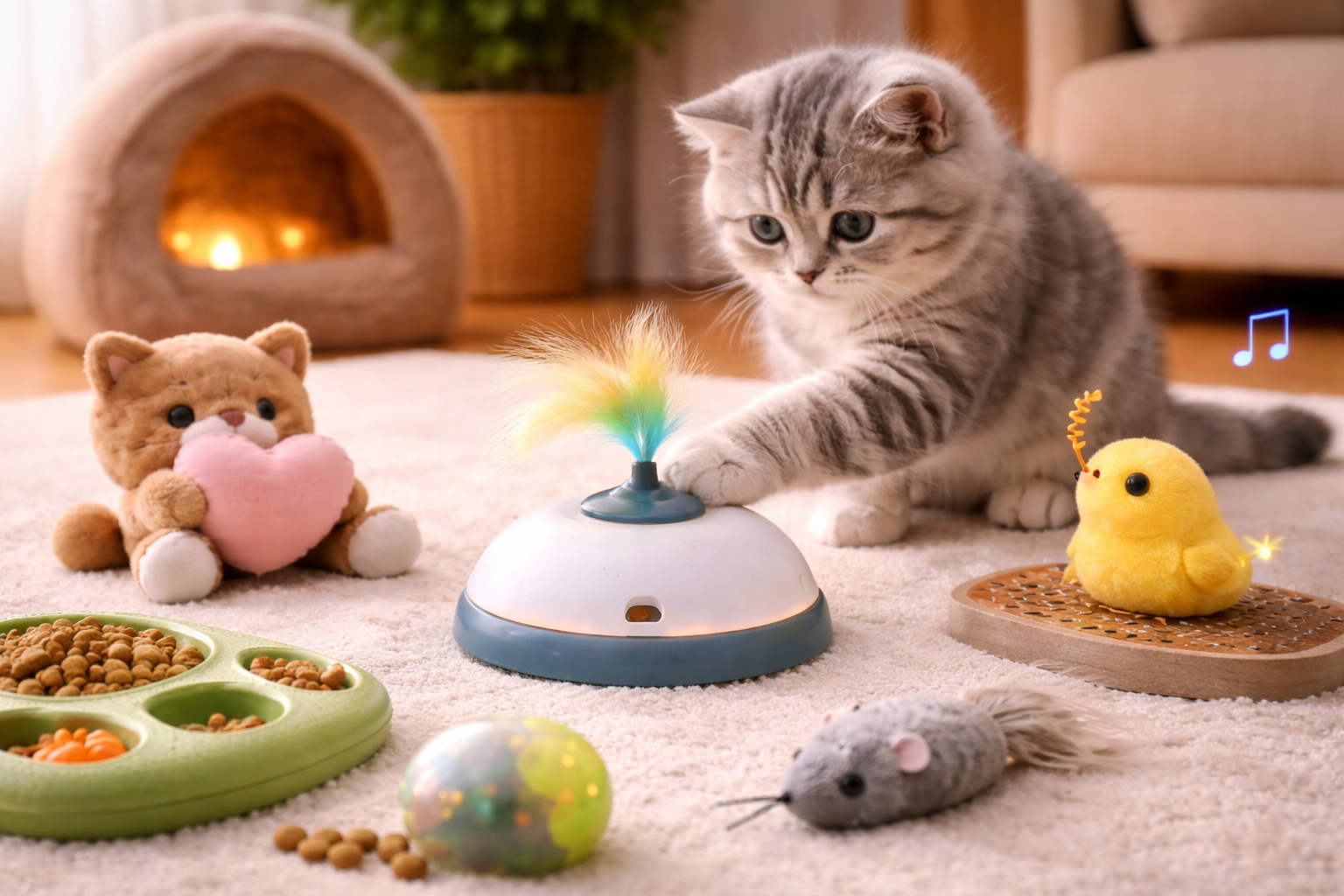
For many pet owners, leaving their cat alone at home can raise concerns about boredom, loneliness, and emotional well-being. Choosing the right cat toys for lonely cats is an effective way to provide comfort, stimulation, and companionship-like interaction even when no one is around. These toys are specifically designed to reduce stress, encourage activity, and keep cats mentally engaged throughout the day.
Cats may appear independent, but they still require stimulation and interaction to stay healthy. When left alone for long periods, some cats can develop signs of loneliness, such as excessive sleeping, loss of interest in play, or destructive behavior. This is where selecting the right cat toys for lonely cats becomes essential. Proper toys can mimic interaction, offering both physical activity and emotional enrichment.
Interactive toys are among the best solutions. Motion-activated toys, automatic feather teasers, and rolling balls can simulate prey behavior, encouraging cats to chase and pounce. These toys provide a sense of engagement that helps reduce feelings of isolation. Since they operate without human involvement, they are ideal for cats that spend significant time alone.
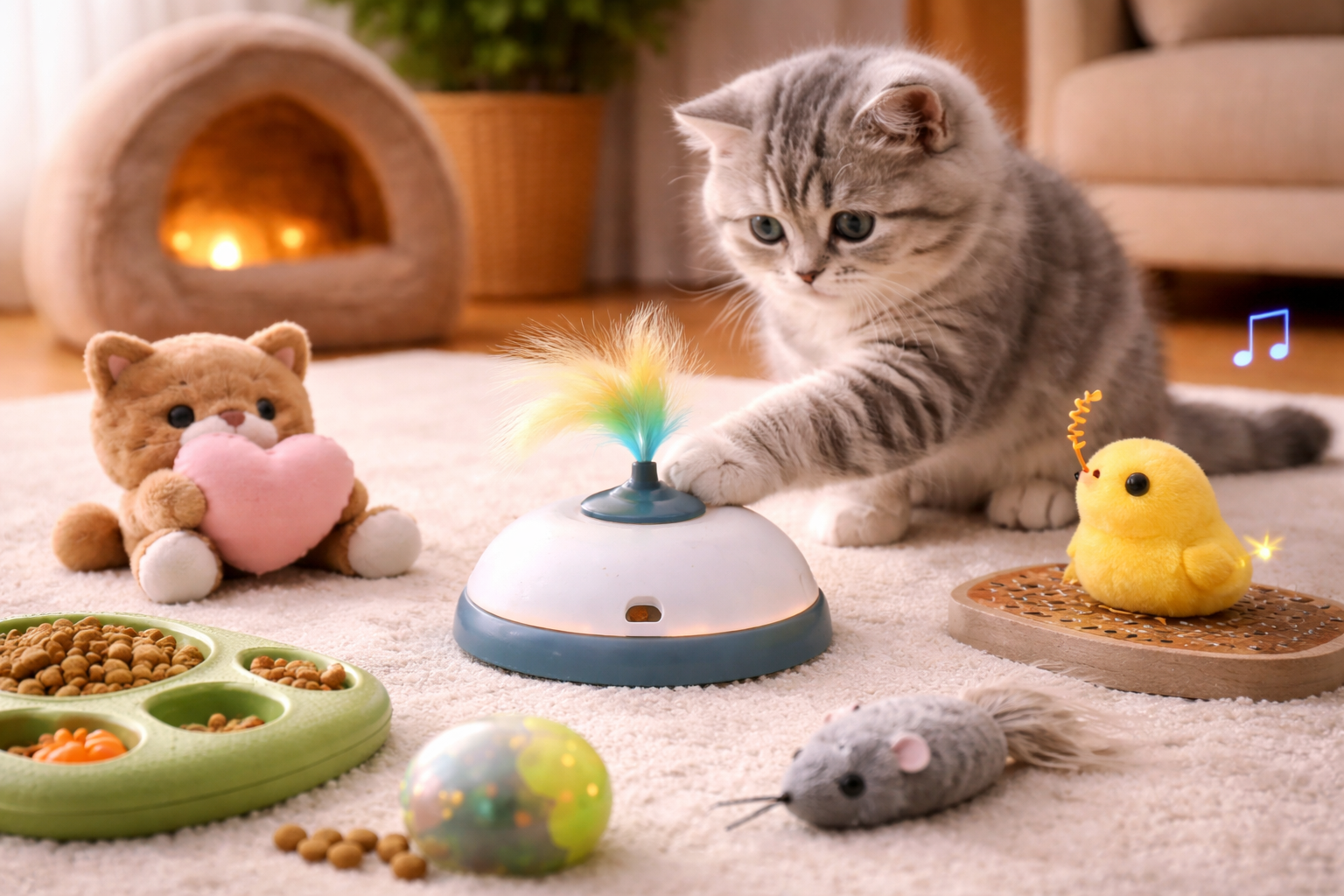 Puzzle toys are another powerful option when choosing cat toys for lonely cats. These toys require cats to solve simple challenges in order to access treats or rewards. Puzzle feeders, for example, can turn feeding time into an engaging activity, helping cats stay mentally active. This type of stimulation not only prevents boredom but also promotes cognitive development.
Comfort-based toys also play an important role. Plush toys infused with catnip or soft fabrics can provide a sense of security. Some cats enjoy carrying or cuddling with these toys, especially when they are alone. These types of cat toys for lonely cats are particularly useful for reducing anxiety and creating a calming environment.
Another effective category includes toys that mimic companionship. Some products are designed to produce subtle movements or gentle vibrations, giving cats the impression of interaction. While not a replacement for human presence, these toys can help bridge the gap and provide a more engaging experience.
Variety is key to maintaining interest. Cats can quickly lose enthusiasm for repetitive activities, so rotating toys regularly helps keep them engaged. Combining different types of cat toys for lonely cats—such as interactive, puzzle, and comfort toys—creates a more dynamic environment that caters to various needs.
Durability and safety should always be considered. Toys used without supervision must be made from non-toxic materials and designed to withstand repeated use. Avoid toys with small detachable parts that could pose risks. Regular inspection ensures that toys remain safe and effective.
Technology has introduced innovative solutions in this space. Smart toys with timers and sensors can activate at intervals, surprising cats and encouraging interaction throughout the day. These features make playtime more unpredictable and engaging, which is particularly beneficial for lonely cats.
From a business perspective, the demand for cat toys for lonely cats continues to grow. As more people adopt pets while maintaining busy lifestyles, the need for independent play solutions increases. Retailers and brands that offer a variety of engaging toys can meet this demand and attract a wider audience.
Understanding a cat’s personality is essential when selecting toys. Some cats prefer fast-paced chasing activities, while others enjoy quieter, comfort-based play. Observing these preferences helps in choosing the most suitable toys and maximizing their effectiveness.
In conclusion, the right cat toys for lonely cats can make a significant difference in a pet’s daily life. By providing stimulation, comfort, and engagement, these toys help reduce loneliness and promote overall well-being. With thoughtful selection and variety, pet owners can ensure their cats remain happy and active—even when they are home alone.
Tel: Phone / WhatsApp: +86 13718368168
Email: Email: info@fukapets.com

 KR
KR JP
JP EN
EN