
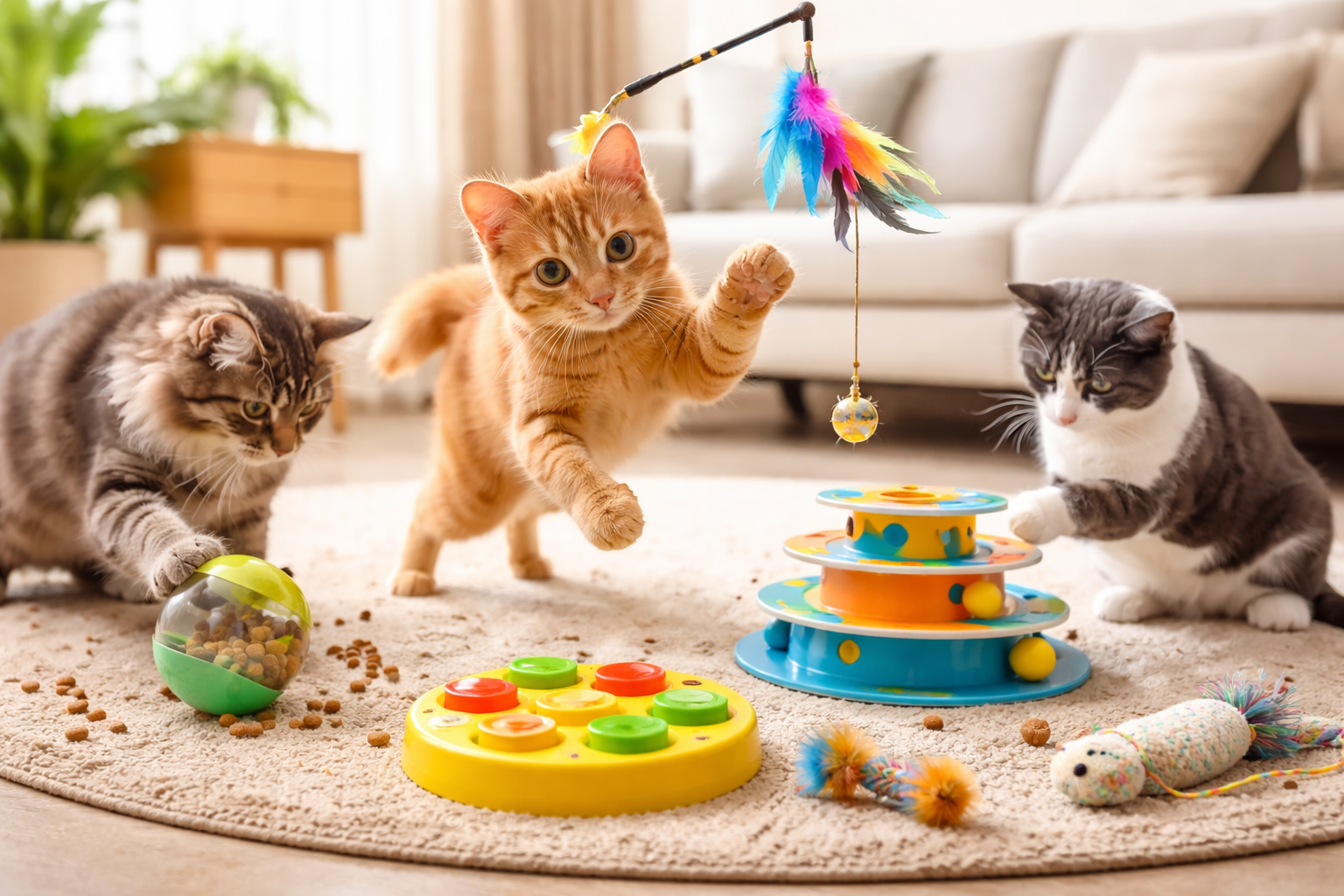
A quiet home can look peaceful to us, but for a cat, it can sometimes feel repetitive. Windows, naps, meals, and the same favorite corners may not always provide enough stimulation for an active mind and body. That is why many pet owners start exploring ways to enrich daily routines, and one of the most effective solutions is adding cat engagement toys to the environment. These toys do much more than fill empty time. They encourage movement, satisfy hunting instincts, reduce boredom, and help cats build confidence in their surroundings.
Cats are natural hunters, even when they live indoors and receive regular meals. In the wild, they would stalk, chase, pounce, climb, and investigate throughout the day. Indoor life removes many of those opportunities, so the right play tools can help recreate them in a safe and controlled way. High-quality cat engagement toys often mimic the unpredictability of prey, offering motion, texture, sound, or hidden rewards that keep a cat interested longer than passive objects do.
One major benefit of using cat engagement toys is physical exercise. Weight management is a growing concern for indoor cats, especially those who spend long hours resting. Interactive balls, teaser wands, tunnels, and treat puzzles can motivate cats to move more naturally. Instead of forcing activity, these toys invite participation through instinct. A cat chasing a feather lure or batting a rolling toy is not simply playing. It is engaging in behavior that supports muscle tone, balance, agility, and overall wellness.
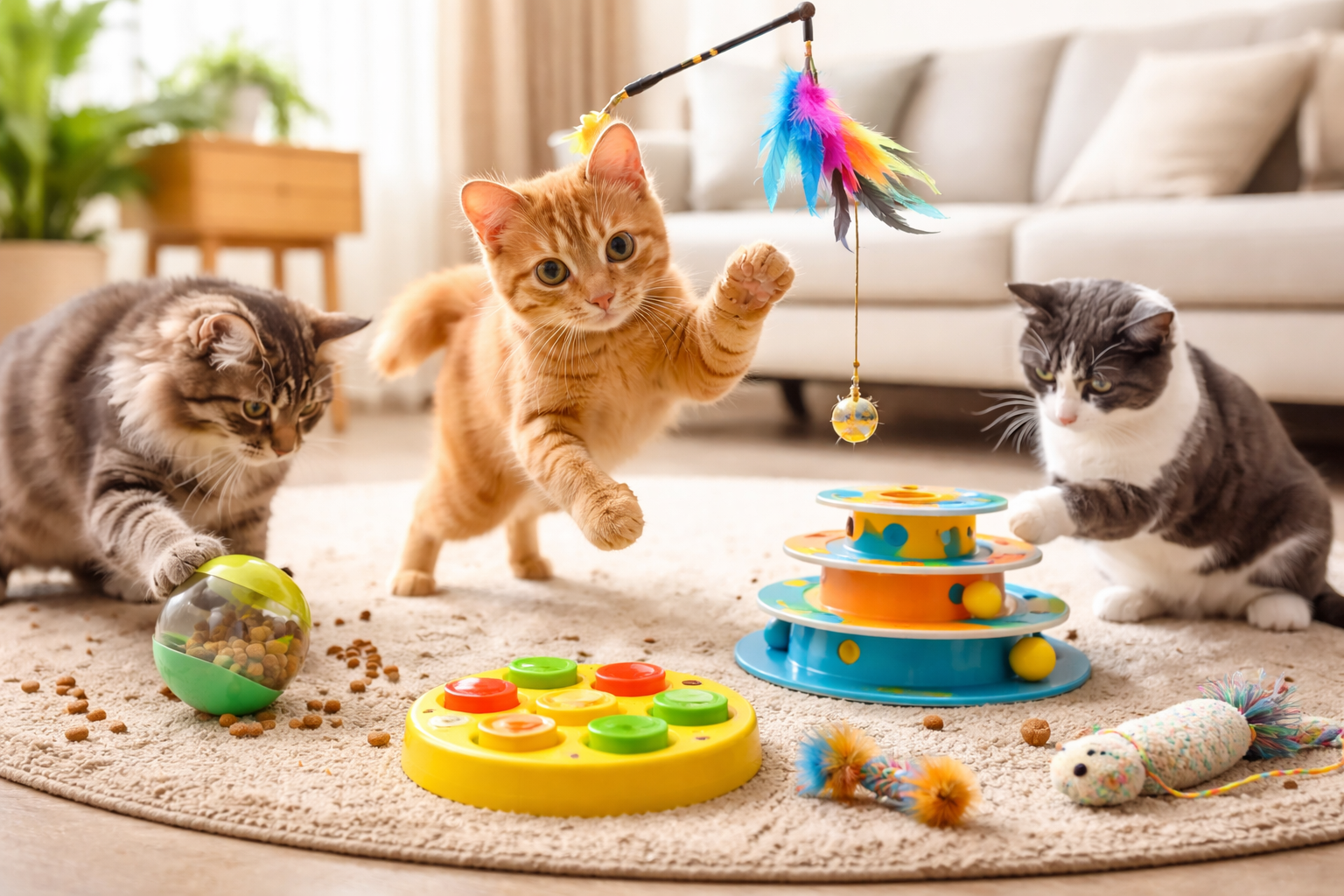 Mental stimulation is just as important as physical movement. Cats are curious animals that enjoy problem-solving when the challenge matches their personality. Puzzle feeders and reward-based cat engagement toys can turn snack time into a brain game. Rather than placing food in a bowl and finishing a meal in minutes, these toys make cats work gently for their treats. This process can reduce boredom, slow eating, and create a more satisfying daily experience. For highly intelligent cats, this type of enrichment can make a noticeable difference in mood and behavior.
Another reason pet owners invest in cat engagement toys is to reduce unwanted habits. Scratching furniture, knocking objects off shelves, attacking feet under blankets, or meowing excessively can sometimes be signs of unmet stimulation needs. When cats have healthy outlets for energy, they are often less likely to create their own entertainment in destructive ways. A well-timed play session with cat engagement toys before meals or bedtime can help channel excitement into something positive and predictable.
Not every toy works for every cat, which is why variety matters. Some cats love fast movement and dramatic chase games, while others prefer quiet investigation and solo play. Teaser wands are excellent for cats that respond to movement and owner interaction. Crinkle toys and plush kickers are popular with cats that enjoy grabbing and bunny-kicking. Ball tracks, spring toys, and lightweight mice appeal to cats that like batting and chasing across the floor. The best collection of cat engagement toys usually includes different textures, play styles, and difficulty levels.
For households where cats spend time alone during the day, toy rotation can be especially useful. Leaving out every toy at once often reduces novelty. Instead, switching a few cat engagement toys every few days can make old favorites feel fresh again. This simple strategy keeps interest levels higher without constantly buying new products. Even basic items can become exciting when they reappear after a short break. Rotation also helps owners observe which toy types their cats truly prefer.
Safety should always guide toy selection. Durable materials, secure stitching, and appropriate sizing are essential. Small detachable pieces, long strings without supervision, or fragile components can create risks. The most effective cat engagement toys are not just entertaining but also designed with feline safety in mind. Supervised interactive play is ideal for toys with cords or feathers, while sturdy solo toys are better choices for unsupervised periods. Checking toys regularly for wear can prevent accidents and keep playtime enjoyable.
It is also helpful to match toys to life stage and energy level. Kittens often enjoy high-action cat engagement toys that support rapid bursts of movement and curiosity. Adult cats may benefit from a balanced mix of interactive and independent play options. Senior cats usually still enjoy play, but they may prefer softer motion, lighter toys, or enrichment that does not require intense jumping. Adjusting play style to the cat’s age helps maintain interest without causing frustration or fatigue.
Owners sometimes assume cats will play on their own if toys are available, but engagement often improves when humans participate too. A few short sessions each day can create stronger bonds and make toys more rewarding. Wand toys, hidden treats, and chase games with cat engagement toys allow owners to join the experience and respond to their cat’s natural rhythm. Ending a session with a small reward can mirror the hunt-catch-eat pattern that feels satisfying to many cats.
Environmental enrichment works best when toys are part of a larger setup. Pairing cat engagement toys with cat trees, window perches, scratching posts, tunnels, and hiding spaces creates a richer indoor world. A toy by itself may offer temporary excitement, but a stimulating environment encourages ongoing exploration. Cats thrive when they can move between climbing, observing, resting, scratching, and playing throughout the day. In that sense, toys are not just accessories. They are part of a healthy lifestyle.
For multi-cat homes, cat engagement toys can also support harmony when used thoughtfully. Shared play can redirect group energy, but individual preferences still matter. Some cats enjoy chasing the same moving lure, while others prefer their own puzzle toy or separate play zone. Providing multiple options can reduce competition and allow each cat to interact at a comfortable pace. This approach helps make enrichment more inclusive and effective.
Choosing the right cat engagement toys does not have to be complicated. Start by observing how your cat already behaves. Does it stalk shadows, chase strings, hide in boxes, or bat objects under furniture? Those behaviors offer clues. A cat that loves pouncing may enjoy spring-loaded or rolling toys. A cat that watches birds from the window may respond well to feather teasers. A food-motivated cat may become deeply interested in puzzle-based cat engagement toys. The most successful choices usually reflect the cat’s natural instincts rather than human assumptions.
In the end, enriching a cat’s daily life is not about buying the most expensive product. It is about creating opportunities for movement, curiosity, challenge, and satisfaction. When chosen carefully and used consistently, cat engagement toys can help indoor cats stay healthier, happier, and more emotionally balanced. They turn ordinary rooms into places of discovery and give cats a better way to express who they are. For pet owners who want to support both fun and wellness, these toys are a simple but powerful place to start.
Tel: Phone / WhatsApp: +86 13718368168
Email: Email: info@fukapets.com

 KR
KR JP
JP EN
EN