
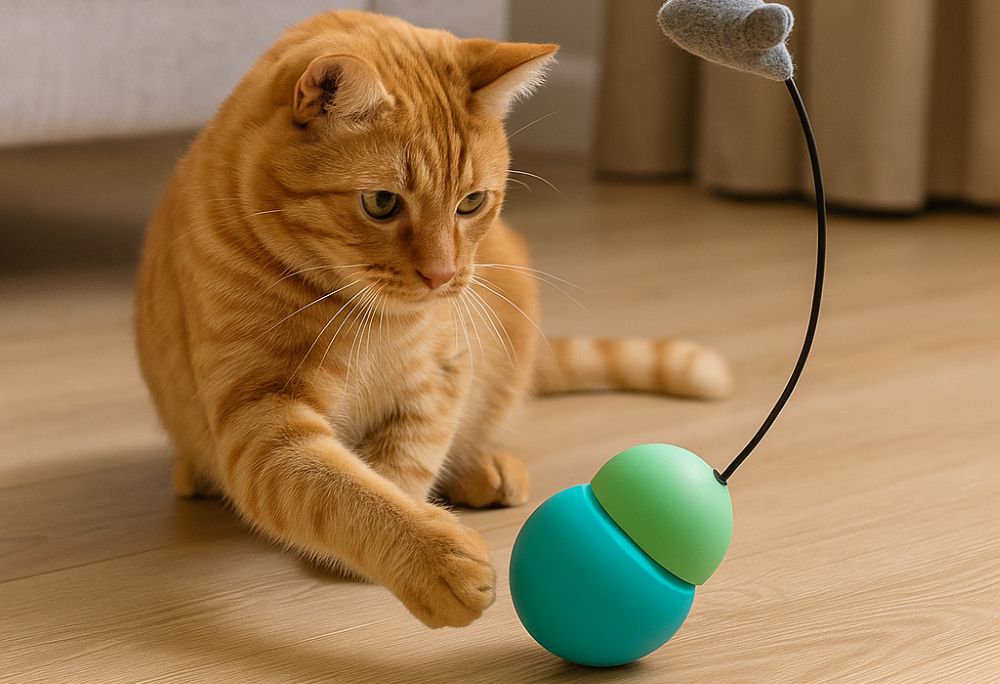
As more families adopt indoor-only lifestyles for their cats, and as pet owners juggle busy schedules, the need for high-quality home alone cat toys has become increasingly essential. These toys support independent play, reduce stress, and provide the enrichment necessary for cats to stay mentally and physically engaged even when their human companions are away. A well-designed toy does far more than entertain—it becomes an important enrichment tool that helps shape healthier daily routines for indoor cats.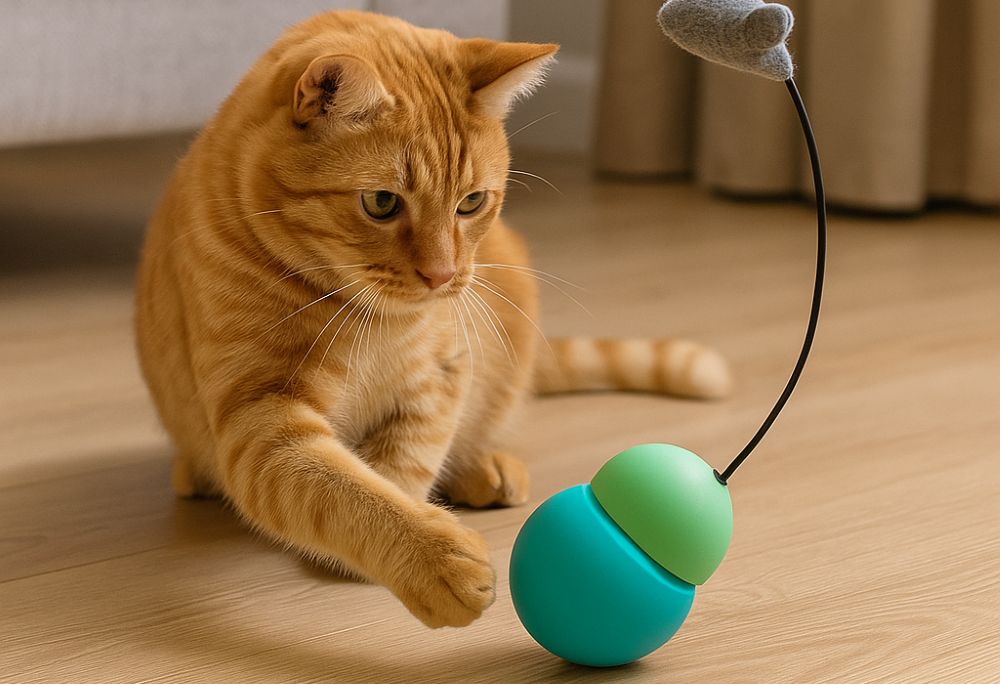
Cats are naturally active, curious, and instinct-driven animals. In the wild, they would spend hours hunting, stalking, chasing, and exploring their environment. Indoor living, while safe, limits these opportunities. Without proper stimulation, cats can become bored, frustrated, or anxious. This is where home alone cat toys make a dramatic difference by allowing cats to express natural behaviors on their own terms throughout the day.
One of the primary benefits of home alone cat toys is that they give cats full control over when and how to play. Unlike wand toys or human-interactive games, self-play toys activate with a simple tap of the paw, a bounce off the floor, or a shift in weight. Rolling balls, spring toys, felt mice, crinkle objects, and wobble devices invite spontaneous engagement. Because cats have unpredictable bursts of energy—especially at dawn and dusk—these toys ensure enrichment is always available when the cat needs it most.
Motion-activated toys have become one of the fastest-growing categories of home alone cat toys. These toys use sensors or vibrations to trigger movement, creating an exciting and unpredictable play experience. A toy that wiggles, rolls, or emits a subtle sound can captivate a cat for long periods. Silent-mode motion toys are especially popular for nighttime use, allowing cats to stay active without disturbing the household.
Puzzle feeders and food-based enrichment toys also play a vital role. Many home alone cat toys incorporate treat-dispensing functions or cognitive challenges that encourage problem-solving. Puzzle feeders slow down eating, stimulate natural foraging instincts, and keep cats mentally alert. For overweight or high-energy cats, these toys provide a healthy outlet while reducing overeating tendencies. Pet behaviorists often recommend daily puzzle routines to build confidence and reduce anxiety.
Another major category is plush kickers and soft prey-shaped toys. Cats often engage in “bunny-kicking,” grabbing a toy with their front paws while kicking it with their hind legs. This is an instinctive behavior that releases tension and satisfies hunting impulses. Plush toys filled with catnip or silvervine make particularly strong home alone cat toys, as the natural scents boost excitement and prolong engagement. The tactile sensation of felt, cotton, or faux fur encourages cats to return to these toys repeatedly.
Sound and texture are also key factors that influence the effectiveness of home alone cat toys. Crinkle paper, elastic bounce cords, feather-like attachments, and irregular rolling movements all stimulate a cat’s senses. Sensory variety prevents boredom and motivates longer playtime. Glow-in-the-dark or LED-enhanced toys offer additional stimulation for nighttime activity, catering to a cat’s crepuscular nature.
For pet owners, home alone cat toys offer tremendous practical benefits. Cats who are properly stimulated during the day tend to display fewer unwanted behaviors such as excessive meowing, furniture scratching, aggression, or stress-induced overgrooming. Self-play toys help maintain a healthy balance of rest and activity, resulting in calmer, more emotionally stable cats. This is especially important in single-cat households, where social stimulation is limited.
From a business standpoint, the market for home alone cat toys has grown rapidly across e-commerce platforms and retail stores. Sellers benefit from strong demand for multipacks, themed bundles, sensory sets, and seasonal designs. Subscription boxes often rely on solo-play toys because they fit universally across households and require no specific training. Factories also offer OEM/ODM customization—color themes, branding labels, upgraded materials, or exclusive shapes—allowing brands to differentiate their offerings in crowded markets.
Sustainability is another rising trend. Many consumers now prefer home alone cat toys made from natural materials such as felt, organic cotton, recycled plastics, and plant-based dyes. Biodegradable packaging and eco-friendly production methods further enhance a brand’s appeal. As environmentally conscious pet owners expand globally, suppliers who incorporate sustainable materials into their designs gain long-term competitive advantage.
Storage and toy rotation are crucial components of enrichment. Experts recommend rotating home alone cat toys weekly so cats stay curious and do not lose interest. A rotation cycle may include puzzle toys one week, kicking toys the next, motion toys afterward, and crinkle toys as a finale. This keeps the environment stimulating without overwhelming the cat.
Safety is equally important. High-quality home alone cat toys must be made from durable materials with securely attached parts to prevent choking hazards. Reputable manufacturers conduct pull, bite, and abrasion tests to ensure toys can withstand real-world use. Non-toxic dyes, reinforced stitching, and enclosed mechanical components protect cats during independent play sessions.
Looking ahead, innovation in the home alone cat toys market will continue to expand. Manufacturers are exploring AI-enhanced movement, scent-release technology, modular play systems, and smart sensors that adapt to a cat’s behavior. These innovations aim to mimic natural prey behavior more closely while keeping safety and sustainability at the forefront.
Tel: Phone / WhatsApp: +86 13718368168
Email: Email: info@fukapets.com

 KR
KR JP
JP EN
EN