
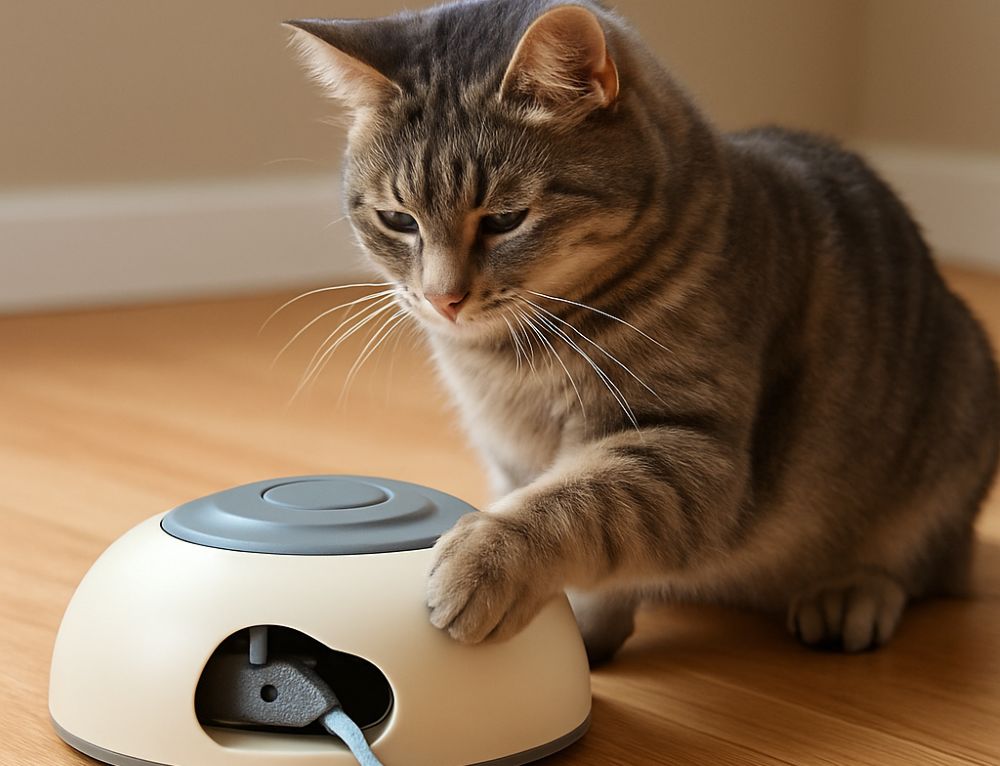
Loneliness in cats is more common than many pet owners realize. Although felines are often perceived as independent animals, they still require mental stimulation, environmental enrichment, and emotional engagement to thrive. When cats spend long hours alone at home—whether because of a busy work schedule, frequent travel, or a single-pet household—they can experience stress, boredom, and behavioral challenges. This is where toys for lonely cats become essential tools that support emotional balance, natural instincts, and daily fulfillment.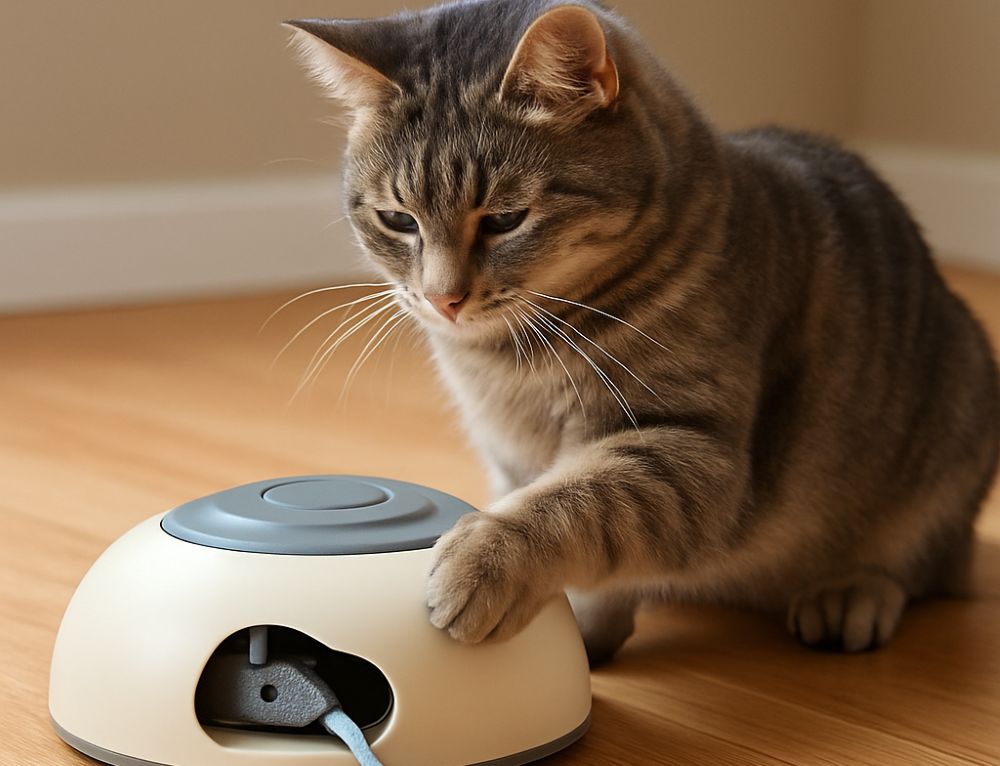
Indoor cats lack many of the natural outlets found in outdoor environments. They cannot explore freely, hunt prey, or experience the unpredictable sensory input that nature provides. Without proper stimulation, lonely cats may overgroom, sleep excessively, scratch furniture, vocalize persistently, or develop frustration-based behaviors. High-quality toys for lonely cats bridge this gap by offering safe, instinct-driven activities that mimic hunting, chasing, exploring, and problem-solving.
One of the most important qualities of effective toys for lonely cats is their ability to activate a cat’s natural prey instincts. Rolling balls, felt mice, spring toys, and self-moving gadgets encourage stalking and pouncing behaviors. These toys let cats act out their natural cycles without requiring human involvement. A lonely cat, left alone for hours, can still express its energy in a constructive and healthy way.
Motion-activated toys are especially impactful. Many modern toys for lonely cats include smart sensors that trigger movement when a cat walks by or taps the toy. This unpredictability simulates real prey and keeps cats entertained even when their owners are away. Silent-mode features ensure nighttime play doesn’t disturb the family, while rechargeable designs make these toys convenient for continuous use.
Puzzle toys form another essential category within toys for lonely cats. Puzzle feeders, maze bowls, sliding treat toys, and food-dispensing balls challenge a cat’s brain and mimic natural foraging. These toys encourage problem-solving, reduce overeating, and provide mental stimulation—especially important when cats spend long periods without interaction. Behaviorists often recommend puzzle toys to help prevent anxiety and boredom in isolated cats.
Sensory toys also play a crucial role. Textures, sounds, and scents engage a cat’s curiosity and extend play sessions. Many toys for lonely cats include:
Crinkle materials to mimic rustling prey
Catnip or silvervine fillings to heighten excitement
Feather-like textures for tactile stimulation
Glow-in-the-dark components for low-light activity
Unpredictable bouncing or wobbling to maintain interest
Sensory-rich toys keep lonely cats entertained for longer periods, supporting both emotional and physical well-being.
Self-play kickers and plush toys filled with catnip or silvervine are especially helpful for reducing loneliness. These toys allow cats to wrestle, bite, and bunny-kick—actions that release tension and satisfy natural predatory instincts. A lonely cat with access to high-quality kicker toys often exhibits fewer signs of stress or frustration.
For cats who crave companionship-like interaction, “comfort toys” are extremely effective. Soft plush toys, heartbeat-simulation toys, or warm cuddle pouches serve as soothing toys for lonely cats by providing emotional reassurance. These toys help comfort cats experiencing separation anxiety or adjusting to new environments—such as newly adopted cats or kittens transitioning away from their litter.
Feather teasers on suction bases or wall-mounted track toys also support independent play. Even though these toys are typically used in interactive sessions, innovative versions allow cats to play on their own by pulling, batting, or twisting the toy. These designs expand the versatility of toys for lonely cats and offer more continuous engagement during home-alone periods.
From a business perspective, the market for toys for lonely cats is rapidly expanding. Consumer awareness of feline emotional health has increased significantly, and pet owners now invest more in enrichment products to keep their cats mentally and physically satisfied. E-commerce platforms show strong demand for multipacks, variety sets, sensory bundles, puzzle toys, and self-moving gadgets. Sellers who offer themed sets or seasonal collections often see higher customer loyalty and repeat purchases.
Customization opportunities further strengthen the market. Brands can design unique shapes, exclusive color palettes, upgraded materials, and personalized packaging. Factories offer OEM/ODM services—allowing sellers to create signature toy lines tailored to lonely cats and indoor play. This is especially valuable for brands on Amazon, Shopify, Temu, Shopee, and TikTok Shop that rely on differentiation to compete.
Sustainability is also shaping the future of toys for lonely cats. Eco-friendly felt toys, natural cotton ropes, recycled materials, and biodegradable packaging appeal to environmentally conscious buyers. As global awareness grows, eco-oriented products will continue to dominate premium purchasing trends.
To maximize the effectiveness of toys for lonely cats, experts recommend rotating toys weekly. Cats are naturally curious, but their interest drops when toys remain unchanged. A rotation system—featuring puzzle toys one week, motion toys the next, and plush kickers afterward—maintains novelty and keeps enrichment fresh.
Safety remains a top priority. High-quality toys for lonely cats must use non-toxic materials, secure stitching, and durable construction to prevent choking hazards. Reputable manufacturers perform bite tests, pull tests, and abrasion tests to ensure every toy withstands real-world feline play.
Looking to the future, innovation will continue to transform toys for lonely cats. AI-enhanced behavior-tracking toys, scent-release devices, modular play systems, and smart algorithms that mimic prey movement are already emerging. These advancements aim to offer lonely cats more realistic and fulfilling play experiences.
Tel: Phone / WhatsApp: +86 13718368168
Email: Email: info@fukapets.com

 KR
KR JP
JP EN
EN