
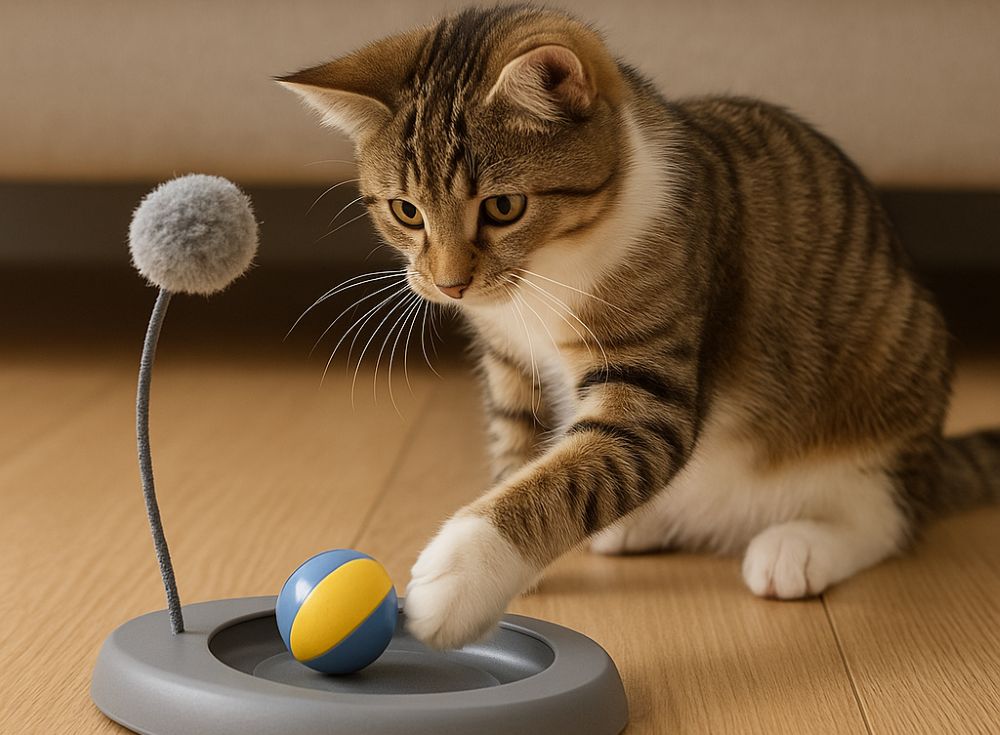
As indoor cat ownership grows worldwide, pet owners are paying increasing attention to enrichment, mental stimulation, and emotional well-being. Cats may be independent by nature, but they still require dynamic environments that allow them to express natural hunting and exploratory behaviors. This is why high-quality toys for cats to play alone have become one of the most important categories in the pet industry—offering indoor cats the freedom to engage in active, instinct-driven play even when no humans are around to interact.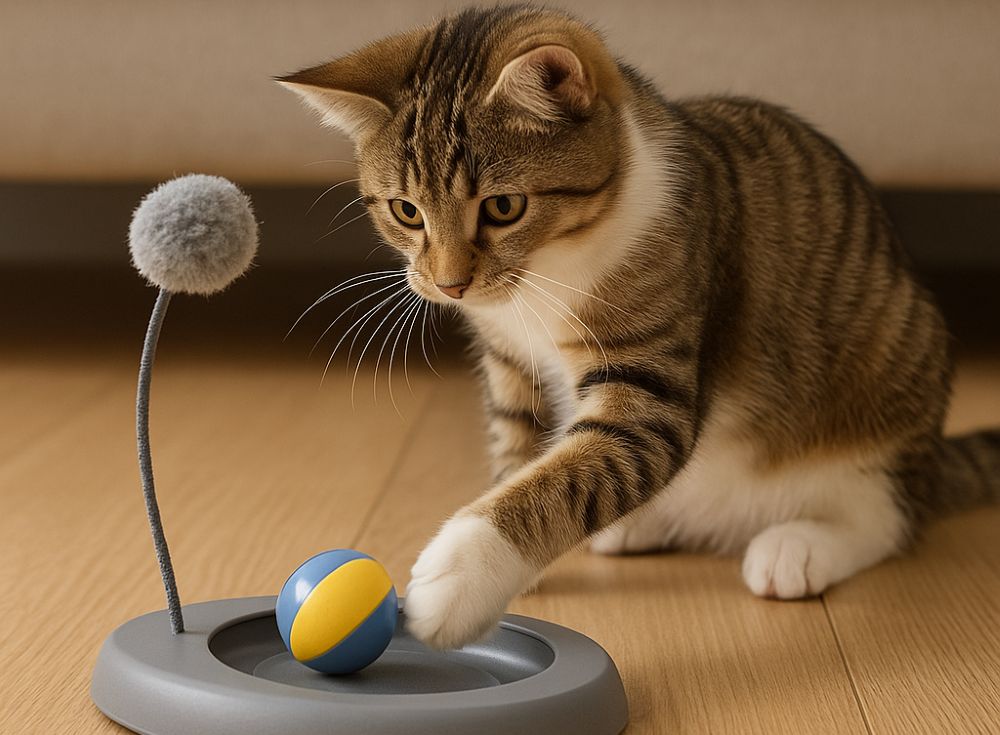
Indoor environments lack the unpredictability, movement, and natural stimuli found outdoors. Without enrichment, many cats can experience boredom, frustration, or loneliness, especially during long periods home alone. Well-designed toys for cats to play alone solve this challenge by activating a cat’s curiosity, hunting instincts, and physical energy without needing human participation. For busy owners who work long hours, these toys become essential tools for maintaining a cat’s daily balance and emotional health.
One of the main benefits of toys for cats to play alone is that they empower cats to choose when they want to play. Cats are crepuscular, meaning they are naturally most active at dawn and dusk—times when owners might be asleep or away. Self-play toys ensure enrichment is available whenever a cat is feeling energetic. Rolling balls, wobble toys, felt mice, spring bouncers, and lightweight plush toys encourage spontaneous activity, allowing cats to stalk, chase, leap, and pounce on their own terms.
Motion-activated toys represent one of the fastest-growing subcategories of toys for cats to play alone. These toys respond to touch or movement by vibrating, jumping, darting, or flashing gently. The unpredictability of their movement mimics real prey, making them highly engaging for curious cats. Silent-mode motors allow nighttime play without disturbing household members, while rechargeable designs offer long-term practicality.
Puzzle toys are another essential component in the landscape of toys for cats to play alone. Treat-dispensing puzzles, maze feeders, and interactive food toys offer mental challenges that support cognitive development and reduce stress. These toys help control overeating, slow down rapid eaters, and give cats a rewarding problem-solving experience. For food-motivated cats, puzzle devices can occupy them for long periods, transforming mealtime into enrichment time.
Textural and sensory toys further enhance the experience. Many toys for cats to play alone incorporate crinkle materials, feathers, felt textures, catnip fillings, silvervine blends, and glow-in-the-dark elements. These sensory features stimulate sight, touch, and smell, maintaining a cat’s interest longer. Soundless rolling toys are ideal for apartment environments, while crinkle items appeal strongly to natural hunting instincts.
Kicker toys are another indispensable category within toys for cats to play alone. These elongated plush toys allow cats to grip with their front paws while kicking vigorously with their hind legs—a natural predatory action. When filled with catnip, silvervine, or honeysuckle, kicker toys can hold a cat’s attention for extended periods and help release mental and physical tension. Many lonely or high-energy cats rely on kickers as a safe outlet for pent-up emotions.
For cats experiencing separation anxiety, soft companions or “comfort toys” can also be categorized as toys for cats to play alone. Plush shapes with warming inserts, heartbeat simulators, or lifelike textures can help calm nervous cats and make solo time less stressful. These toys provide emotional reassurance, especially for kittens, newly adopted cats, or cats adjusting to a new home.
From a commercial perspective, the market for toys for cats to play alone continues to expand across global e-commerce platforms. Multipacks, seasonal bundles, sensory sets, motion toys, and premium kickers remain top performers. Sellers often find high success with themed collections—nature toys, insect toys, felt toys, pastel-color toys, or eco-friendly lines—because variety helps maintain novelty in enrichment routines.
Manufacturers also offer substantial customization opportunities. Brands can design unique toy shapes, private-label packaging, upgraded materials, and color-matched collections. This level of customization gives sellers competitive advantages and strengthens brand identity. Especially on platforms like Amazon, Shopify, Temu, TikTok Shop, and Shopee, differentiation through design is critical to standing out.
Sustainability is another major force shaping the future of toys for cats to play alone. Eco-friendly felt toys, natural feathers, biodegradable fibers, recycled plastic components, and low-impact dyes appeal strongly to environmentally conscious consumers. As sustainable living becomes mainstream, pet owners increasingly choose products aligned with eco-friendly values.
To ensure long-term engagement, experts recommend rotating toys for cats to play alone on a weekly basis. Cats thrive on novelty, and rotating toys prevents boredom. Combining puzzle toys, kickers, self-motion toys, crinkle toys, and scented toys creates a balanced enrichment program that satisfies multiple instincts. A well-planned rotation helps prevent behavioral issues such as destructive scratching, nighttime hyperactivity, or overgrooming.
Safety remains a top priority in product design. High-quality toys for cats to play alone undergo durability testing, including bite tests, pull tests, and abrasion assessments. Non-toxic materials, secure stitching, strong elastic cords, and enclosed mechanical parts protect cats during unsupervised play. Buying from reputable manufacturers ensures consistent safety standards.
Looking forward, innovation in toys for cats to play alone is accelerating rapidly. AI-driven movement, smart sensors that adapt to a cat’s behavior, rotating play circuits, scent-release technology, and modular enrichment systems are emerging. These advancements aim to create indoor play experiences that feel more natural, unpredictable, and emotionally satisfying.
Tel: Phone / WhatsApp: +86 13718368168
Email: Email: info@fukapets.com

 KR
KR JP
JP EN
EN